Quotessence
Home / Quotes / Quote by George MacDonald

Quote by George MacDonald

“The demon has a name that is known among men, though it frightens few and draws many, alas! His name is Self, and he is the shadow of your own self. First he made you love him, which was evil, and now he has made you hate him, which is evil also. But if he be cast out and never more enter into your heart, but remain as a servant in your hall, then you will recover from this sickness, and be whole and sound, and will find the varlet serviceable.”

Quote by George MacDonald

Work

The Last Castle

This book is a gripping tale of survival and the human spirit, set against the backdrop of a desolate castle in an unspecified location. The narrative delves into the psychological and emotional challenges faced by its inhabitants, as they struggle to maintain their sanity and survival in a harsh and unforgiving environment. more

Author

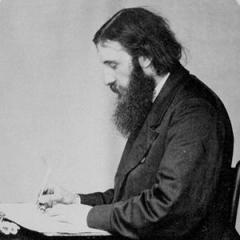
George MacDonald
George MacDonald

George MacDonald was a 19th-century Scottish author known for his fantasy literature and religious thought. His works had a profound influence on later writers, such as J.R.R. Tolkien and C.S. Lewis. more

You May Also Like

“No man can rid him of himself and live, for that involves an impossibility. But he can rid himself of that haunting shadow of his own self, which he has pampered and fed upon shadowy lies, until it is bloated and black with pride and folly. When that demon-king of shades is once cast out, and the man's house is possessed of God instead, then first he finds his true substantial self, which is the servant- nay, the child- of God. To rid you of yourself you must offer it again to Him who made it. Be empty so that He may fill you.”

“It seems to Marithe that her life has undergone two changes: one, when her father left. And two, about a year ago, when she turned thirteen, when her life and the way she felt about it and the way she viewed it suddenly tilted; like the deck of a ship in a storm. At first it seemed to her that her house, her family, her dogs, her accordion, her books, her room with its geology samples, its display of feathers, its pictures of foxes and wolves, all took on an unreal aspect. Everything felt like a stage set: she kept viewing herself as if from the outside. Instead of just acting, just doing, just running or speaking or playing or collecting, she would feel this sense of externalisation: and so, a voice inside her head would comment, you are running. Do you need to run? Where are you going? You're picking up that rock but do you want it, do you really need it, are you going to carry it home? [...] And her body! Some mornings she woke and it was as if lead weights had been attached to her limbs by some ill-meaning fairy. Even if she had the urge to walk across the paddock to feed the neighbours' horses -- which she hardly ever did any more, she didn't know why -- she wouldn't have the energy, the sap in her to do it. She wanted it returned to her, Marithe did, that sense of security in her life, of certainty, of knowing who she was and what she was about. Would it ever come back?”