Quotessence
Home / Quotes / Quote by Kazuo Ishiguro

Quote by Kazuo Ishiguro

“Now naturally, like many of us, I have a reluctance to change too much of the old ways. But there is no virtue at all in clinging as some do to tradition merely for its own sake.”

Quote by Kazuo Ishiguro

Work

The Remains of the Day

This novel, set in the 1950s, follows the life of Stevens, a dedicated butler who serves the same family for decades. It delves into the complexities of his personal and professional life, reflecting on the impact of the war and the changing social landscape of England. The narrative is introspective, offering a nuanced look at the role of servants in British society and the hidden emotional landscapes of its characters. more

Author
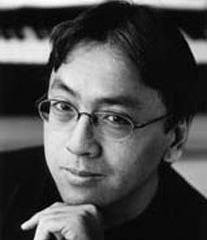
Kazuo Ishiguro
Kazuo Ishiguro

Kazuo Ishiguro is a Japanese-born British novelist known for his unique literary style and profound insights into human nature. His works often explore themes of memory, identity, and common human emotions. Born on November 8, 1954, Ishiguro's career began with the publication of his first novel 'When Breath Becomes Air' in 1982, which received widespread acclaim. more

You May Also Like

“We creoles are so different, one from the other, that it's hard for us to mix properly amongst ourselves, let alone among Carib people who have a lot more things in common. Maybe its because Carib people remind us of what we lost trying to get up in the world. See, in the old days, according to Granny Straker, the more you left behind the old ways, the more acceptable you were to the powerful people in the government and the churches who had the power to change a black person's life.”

“I have no quarrel with the Christ, only with his priests, who call the Great Goddess a demon and deny that she ever held power in this world. Truth has many faces and the truth is like to the old road to Avalon; it depends on your own will, and your own thoughts, whither the road will take you, and whether, at the end, you arrive in the Holy Isle of Eternity or among the priests with their bells and their death and their Satan and Hell and damnation ... but perhaps I am unjust even to them. Even the Lady of the Lake, who hated a priest's robe as she would have hated a poisonous viper, and with good cause too, chid me once for speaking evil of their God.”

“Today, there was no time for the old rituals and the old ways; there was barely time in each day to kiss your son good morning and your wife goodbye as you rushed out to the shop, trying to make a living, before trudging home with nothing to show after you’d paid the taxi fares and bought the milk for Klein Ben’s porridge …”

“Gdzie postacie, które tak dumnie i wzniośle kroczyły dawniej po twoich siedmiu wzgórzach, o Rzymie? Gdzie żołnierze legionów bezsenni, ogromni, z twarzą spiekłą od słońca, ochładzaną znojem, rozjaśnianą połyskami mieczów? — Wszyscy zniknęli jedni po drugich — przeszłość ich zagarnęła i jak matka tuli do łona. — Nikt ich nie wydrze przeszłości. Miasto nich podnoszą się nieznane dotąd kształty, ni piękne jak półbogi, ni silne jak olbrzymy tytańskich czasów; ale dziwaczne, migające złotem, z wiankami na czole, z pucharami w dłoni; a wśród kwiecia sztylety, a wśród biesiady trucizny, a w ich tańcach konwulsyjne podrzuty — niby to życie bez granic wśród pieśni i jęków, ryku hien i nawoływań gladiatorów. — Śmiech z takiej wiosny umajonej krwią i woniami spiekłych kadzideł! — Śmiech z takiego życia! — Ono przejściem tylko, ono nic nie utworzy, nic nie zostawi po sobie, prócz krzyków kilku i sławy marnego skonania!”