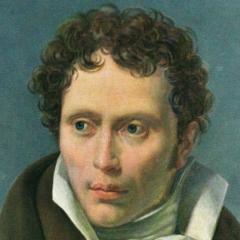
Aulus Persius Flaccus, born in 34 AD and died in 62 AD, was a renowned Roman poet of the Imperial period. His poetry is celebrated for its wit, satire, and philosophical depth, exerting a profound influence on literature and thought throughout the ages. 【Identity and Position】Aulus Persius Flaccus was an important poet of the Roman Empire, whose works represented the literary achievements of the Golden Age of Rome. 【Biographical Background】Little is known about the early life of Aulus Persius Flaccus. He was probably born into a wealthy family in the Roman Empire. 【Achievements and Contributions】Aulus Persius Flaccus is known for his concise, witty, and philosophically profound poetry. His works include short poems and satires, of which the most famous are the Satires. His poetry has had a significant impact on later writers and thinkers, particularly in the field of Latin literature. 【Influence and Evaluation】Aulus Persius Flaccus's poetry, with its unique style and profound内涵, is considered a classic of Latin literature. His works were highly valued during the Renaissance and had a profound influence on later writers and thinkers.
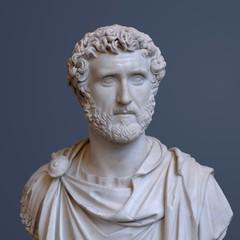
Marcus Aurelius, born in 121 AD and died in 180 AD, was an emperor of the Roman Empire. He is one of the Five Good Emperors and is known for his philosophical thoughts and the stability of his reign. He was not only an outstanding politician but also a famous Stoic philosopher, whose work 'Meditations' has had a profound impact on later generations.
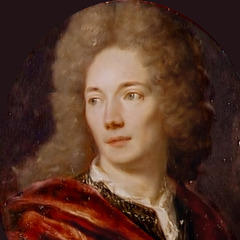
Jean de la Bruyere was a French philosopher and moralist, born on August 16, 1645, and died on May 10, 1696. His works have had a profound impact on posterity.
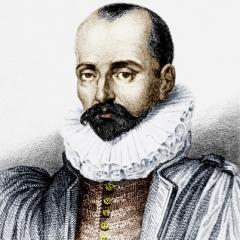
Michel de Montaigne was a French Renaissance philosopher, essayist, and writer. He is considered one of the most significant figures in the history of the essay. Montaigne's work, particularly his book 'Essays', has been influential in the development of modern prose.
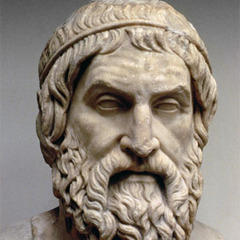
Sophocles, born in 498 BC and died in 406 BC, was a renowned Greek tragic playwright. He is one of the three greatest tragic poets of ancient Greece, alongside Aeschylus and Euripides. Sophocles' works profoundly revealed the complexity of human nature and social contradictions, exerting a profound influence on subsequent drama.
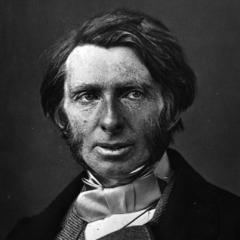
John Ruskin was an influential British art critic, writer, and social critic. Known for his profound insights into art, architecture, and social issues, he had a significant impact on the aesthetics and culture of the Victorian era.
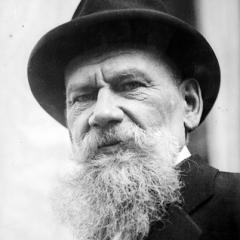
Leo Tolstoy was a Russian writer and thinker, a prominent representative of 19th-century Russian literature. His works deeply revealed social contradictions and human nature, and had a profound impact on the world.
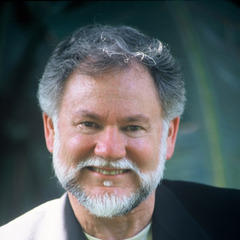
Walter Darby Bannard was an American painter known for his distinctive style and bold use of color. His works typically feature urban landscapes and portraitures, showcasing the diversity of American society and culture.
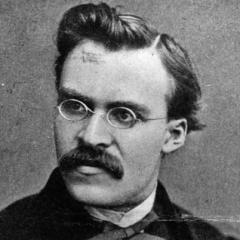
Friedrich Nietzsche was a German philosopher, cultural critic, poet, and writer whose works have had a profound impact on subsequent philosophy, literature, and thought. His ideas revolve around concepts such as the 'will to power', the 'Übermensch', and the 'eternal recurrence'.
Arthur Schopenhauer was a prominent German philosopher born on February 22, 1788, and died on September 21, 1860. He is one of the most important figures in 19th-century German philosophy and is known for his unique pessimistic philosophical ideas.