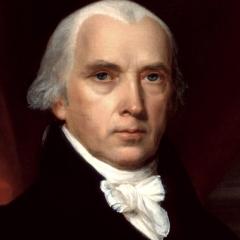
James Madison
James Madison, the 4th President of the United States, was born on March 16, 1751, and died on June 28, 1836. He was a key figure in drafting the U.S. Constitution and had a profound impact on the political system of the United States.
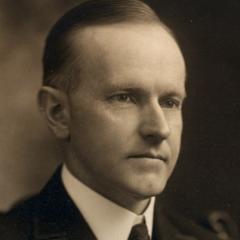
James Madison, the 4th President of the United States, was born on March 16, 1751, and died on June 28, 1836. He was a key figure in drafting the U.S. Constitution and had a profound impact on the political system of the United States.
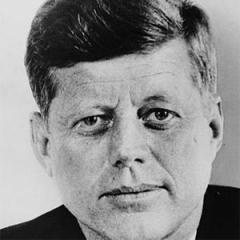
John F. Kennedy was the 35th President of the United States, serving from 1961 to 1963. His presidency was marked by the Civil Rights Act, the New Frontier policy, and the intense Cold War confrontation with the Soviet Union. Kennedy was known for his youthful charm and charisma, but his assassination during his term shocked the world.
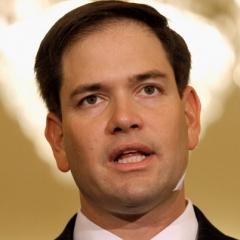
Marco Rubio is an American politician who has served as a United States Senator from Florida since 2011. He is a member of the Republican Party and has been active in politics since his early twenties. Born on May 28, 1971, in Miami, Florida, Rubio has gained national recognition for his political career.
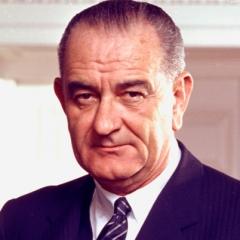
Lyndon B. Johnson, the 36th President of the United States, served from 1963 to 1969. He assumed the presidency following the assassination of John F. Kennedy and is known for his 'Great Society' programs aimed at reducing poverty and racial injustice.
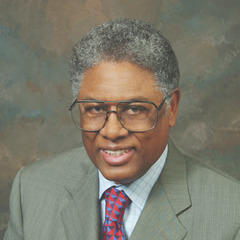
Thomas Sowell is a renowned economist, born on June 30, 1930. His research spans across various fields such as economic policy, race, and social issues, having a profound impact on economics and the social sciences.
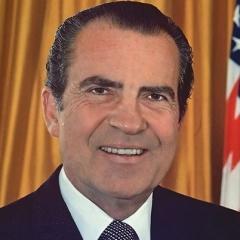
Richard Milhous Nixon (January 9, 1913 – April 22, 1994) was the 37th president of the United States, serving from 1969 to 1974. A Republican, he previously served as a U.S. representative and senator from California and as the 36th vice president under Dwight D. Eisenhower. Nixon is best known for his Cold War foreign policy, including the historic 1972 visit to China, détente with the Soviet Union, and the gradual withdrawal of U.S. troops from Vietnam. However, his presidency was overshadowed by the Watergate scandal, leading to his resignation—the only such case in U.S. history. His legacy remains complex, marked by significant diplomatic achievements and profound ethical failures.
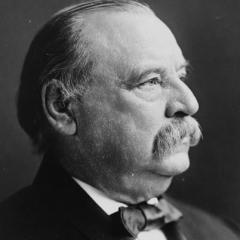
Grover Cleveland was the only U.S. President to serve two non-consecutive terms, from 1885 to 1889 and 1893 to 1897. During his presidency, he was committed to reducing government spending and balancing the budget, and he promoted various social reforms. Cleveland is known for his strong moral standards and political independence.
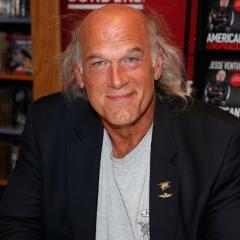
Jesse Ventura (born July 15, 1951) is an American politician, professional wrestler, actor, and author. He served as the 38th Governor of Minnesota from 1999 to 2003, elected as a member of the Reform Party, making him one of the few third-party candidates to win a gubernatorial election in U.S. history. Ventura gained fame as a professional wrestler under the ring name 'Jesse Ventura' in the AWA and WWF, winning multiple championships. After retiring from wrestling, he pursued acting, appearing in films like 'Predator' and 'The Running Man.' His political career began as mayor of Brooklyn Park, Minnesota, before his successful gubernatorial run. Known for his blunt style and populist views, he advocated for tax cuts, government transparency, and civil liberties. Ventura is also a bestselling author and media commentator. His life exemplifies a unique crossover from sports entertainment to political leadership.
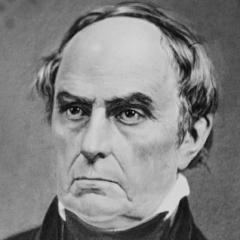
Daniel Webster, a former United States Senator, was born on January 18, 1782, and passed away on October 24, 1852. He was a renowned lawyer, orator, and politician in American history, known for his eloquent speeches and steadfast convictions.
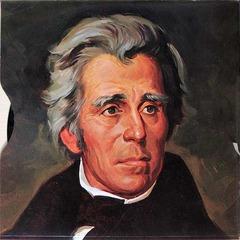
Andrew Jackson was the 7th President of the United States, born on March 15, 1767, and died on June 8, 1845. Known for his strong nationalism and democratic stance, he played a significant role in the expansion of the United States and the end of Native American resistance. During his presidency from 1829 to 1837, Jackson implemented democratic reforms, such as the abolition of the Electoral College and the promotion of westward expansion, which had a profound impact on American politics.