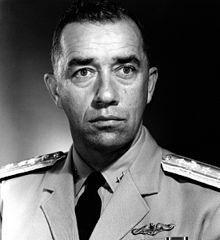
Eugene P. Wilkinson
Eugene P. Wilkinson was an influential figure in the field of [Unknown]. Born on August 10, 1918, he passed away on July 11, 2013.
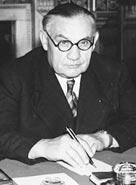
Eugene P. Wilkinson was an influential figure in the field of [Unknown]. Born on August 10, 1918, he passed away on July 11, 2013.
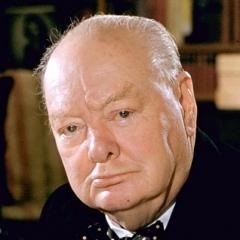
Winston Churchill, a former Prime Minister of the United Kingdom, was a statesman, historian, writer, and orator. He led the British people in resisting Nazi Germany during World War II and became a national hero. Churchill is renowned for his unique oratory style and steadfast political stance.
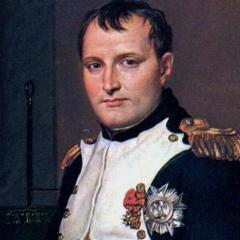
Napoleon Bonaparte, a military commander and statesman from France, was born on August 15, 1769, and died on May 5, 1821. He is a controversial historical figure who led a series of reforms in France and became a significant figure in French history.
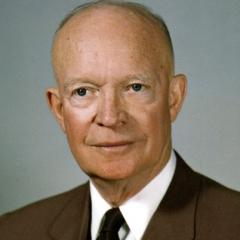
English biography, 120-180 words
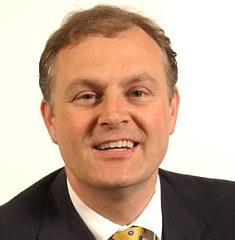
Stewart Jackson is a British politician who served as a Member of Parliament for Tunbridge Wells. Born on January 31, 1965, he has been active in politics since the early 2000s, known for his conservative stance and involvement in various political initiatives.
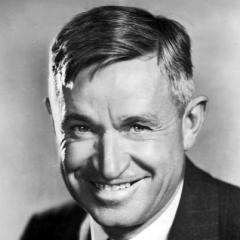
Will Rogers was a renowned American actor, humorist, writer, and aviator, born on November 4, 1879, and died on August 15, 1935. He gained widespread acclaim for his unique sense of humor and wisdom, becoming an important figure in American culture during the 20th century.
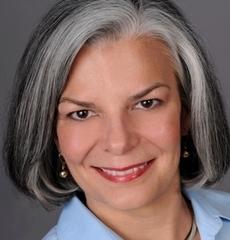
Limited information is available about Julie Gerberding, who was born on August 22, 1955. Her specific profession and biography are not detailed.
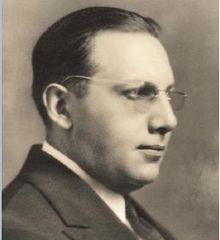
American politician born on December 2, 1897, and died on October 24, 1989. During his political career, he held several important positions and had an impact on the development of American politics.
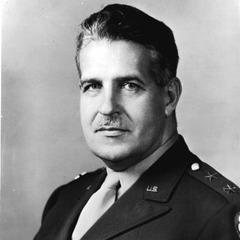
Leslie Groves was an American engineer and military officer, renowned for his pivotal role in the Manhattan Project during World War II. He was in charge of the construction and management of the Los Alamos National Laboratory, the primary research and development site for the atomic bomb.
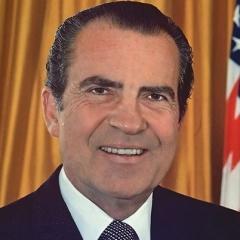
Richard Milhous Nixon (January 9, 1913 – April 22, 1994) was the 37th president of the United States, serving from 1969 to 1974. A Republican, he previously served as a U.S. representative and senator from California and as the 36th vice president under Dwight D. Eisenhower. Nixon is best known for his Cold War foreign policy, including the historic 1972 visit to China, détente with the Soviet Union, and the gradual withdrawal of U.S. troops from Vietnam. However, his presidency was overshadowed by the Watergate scandal, leading to his resignation—the only such case in U.S. history. His legacy remains complex, marked by significant diplomatic achievements and profound ethical failures.