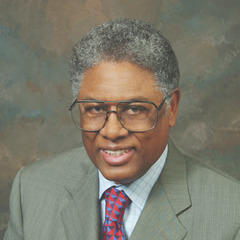
Thomas Sowell
Thomas Sowell is a renowned economist, born on June 30, 1930. His research spans across various fields such as economic policy, race, and social issues, having a profound impact on economics and the social sciences.
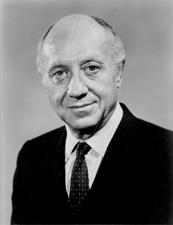
Thomas Sowell is a renowned economist, born on June 30, 1930. His research spans across various fields such as economic policy, race, and social issues, having a profound impact on economics and the social sciences.
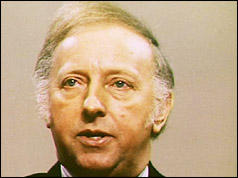
Arthur Scargill is a British politician born on January 11, 1938. He played a significant role in the British Labour Party, particularly during the 1980s when he led the British miners' strike.
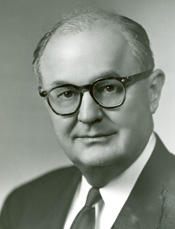
Wright Patman was a distinguished U.S. congressman from Texas, serving in the House of Representatives from 1925 until his death in 1976. He was a prominent figure during the New Deal era and a fierce critic of corporate power and economic inequality. Patman's career was marked by his advocacy for economic regulation and consumer protection, as well as his opposition to the Vietnam War.
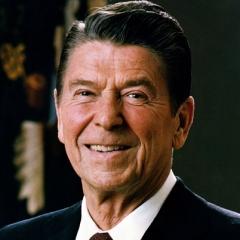
The 40th President of the United States, born on February 6, 1911, and passed away on June 5, 2004. Reagan's presidency was marked by economic prosperity and military strength, and he was known for his conservative political philosophy.
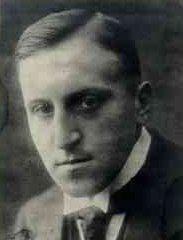
Carl von Ossietzky was a prominent peace activist born on October 3, 1889, and died on May 4, 1938. He is known for his exposure of German militarism and promotion of pacifism.
Peter S. Grosscup, an individual active in the late 19th and early 20th centuries. His specific occupation and category are unknown.
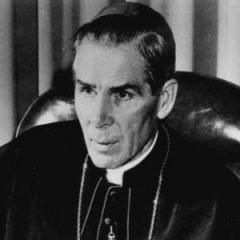
Fulton J. Sheen, an American television evangelist, was born on May 8, 1895, and passed away on December 9, 1979. Known for his unique charm and wisdom, he spread Christian faith to a global audience through his television programs, becoming one of the most influential religious leaders of the 20th century.
Frederick Scott Oliver, born in 1864, was a renowned American writer known for his diverse literary works, including novels, poetry, and drama. He was recognized for his unique literary style and profound insights into social issues.
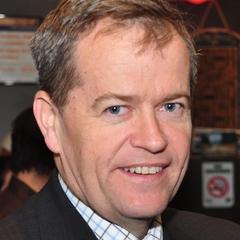
Bill Shorten is an Australian Federal MP, born on May 12, 1967. He is an active politician who served as the leader of the Australian Labor Party and represented the Higgins electorate in Victoria in the federal parliament.
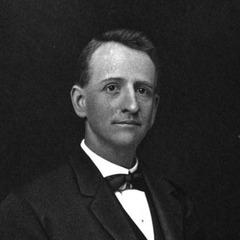
Carter Glass, born on January 4, 1858, and died on May 28, 1946, was a prominent U.S. Senator known for his significant contributions to fiscal and financial policies. He played a crucial role in shaping the American political landscape, particularly in the areas of finance and banking.