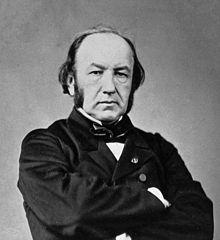
Claude Bernard
Claude Bernard was a French physiologist born on July 12, 1813, and died on February 10, 1878. He made significant contributions to the field of physiology, particularly in the study of the digestive system and the nervous system.
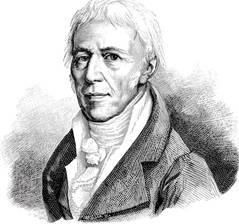
Claude Bernard was a French physiologist born on July 12, 1813, and died on February 10, 1878. He made significant contributions to the field of physiology, particularly in the study of the digestive system and the nervous system.
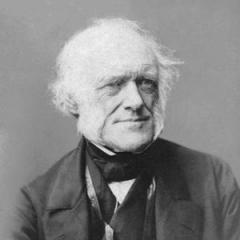
Charles Lyell, born on November 14, 1797 and died on February 22, 1875, was a renowned lawyer and geologist from the United Kingdom. He is best known for his extensive research in geology and his influential book 'Principles of Geology,' which had a profound impact on the development of the field.
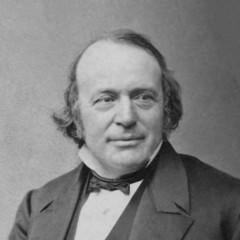
Louis Agassiz, born on May 28, 1807 in Switzerland and died on December 14, 1873 in the United States, was a renowned geologist in the 19th century. He made significant contributions to the fields of paleontology and geology.
George Iles (1852-1942) was a renowned author from the United Kingdom. His works spanned a variety of fields, including history, literature, and philosophy. Iles was known for his in-depth research and attention to detail, and his works have had a profound impact on posterity.
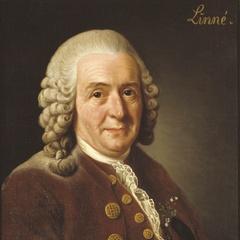
Carl Linnaeus (May 23, 1707 - January 10, 1778) was a Swedish botanist, zoologist, physician, and systematist. He is considered the father of modern biological classification and his binomial nomenclature has had a profound impact on the development of biology.
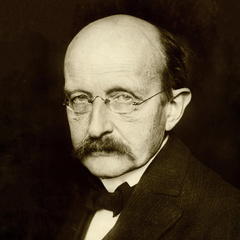
Max Planck, born on April 23, 1858 in Germany, died on October 4, 1947. He was a renowned German physicist and one of the founders of quantum theory, winning the Nobel Prize in Physics in 1918 for his discovery of Planck's constant.
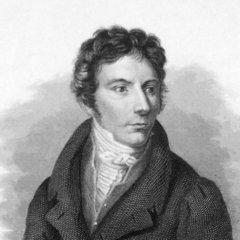
Lorenz Oken, born on August 1, 1779 and died on August 11, 1851, was a prominent German naturalist. He made significant contributions to the fields of biology, philosophy, and art.
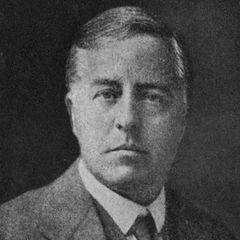
James Jeans was an influential British physicist known for his contributions to astrophysics and cosmology. His research encompassed stellar structure and the origins of the universe, having a profound impact on modern physics.
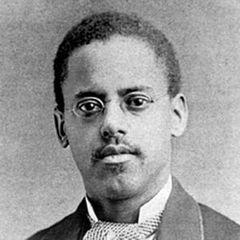
Lewis Howard Latimer was an African American inventor and engineer who made significant contributions to the development of the telegraph and the light bulb. He worked for the Edison Electric Light Company and is credited with improving the incandescent light bulb's filament. Latimer's work in the field of electrical engineering was pioneering and had a lasting impact on the industry.
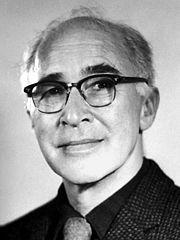
George Wald was an American biologist renowned for his research in the field of visual physiology. In the mid-20th century, his studies on retinal pigment vision significantly contributed to the understanding of human visual mechanisms. Wald was awarded the Nobel Prize in Physiology or Medicine in 1967 for his outstanding contributions to the field of visual physiology.