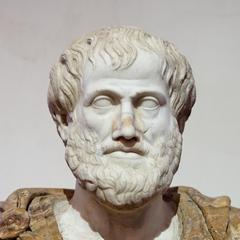
Aristotle
Aristotle, a renowned Greek philosopher, is one of the founders of Western philosophy. His thoughts covered a wide range of fields, including ethics, logic, politics, and had a profound impact on the world.
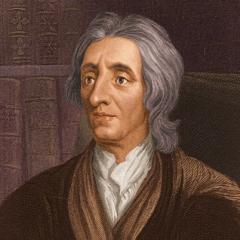
Aristotle, a renowned Greek philosopher, is one of the founders of Western philosophy. His thoughts covered a wide range of fields, including ethics, logic, politics, and had a profound impact on the world.
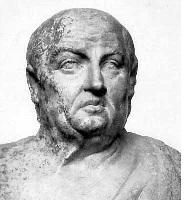
Seneca the Younger (4 BC - 65 AD) was a renowned Roman philosopher, statesman, and playwright. Born into a wealthy Roman family, he served as a government official in the Roman Empire. Seneca's philosophy was deeply influenced by Stoicism, and his works have had a profound impact on later generations.
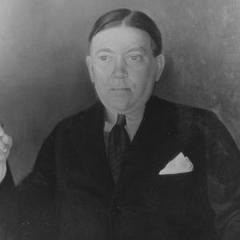
H. L. Mencken was an American journalist, essayist, satirist, cultural critic, and scholar of American English. Born on September 12, 1880, and passing away on January 29, 1956, Mencken is renowned for his significant contributions to American culture and language, particularly through his satirical essays and critical analyses of the American establishment.
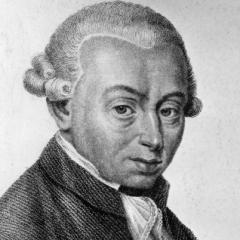
German philosopher, an important representative of the Enlightenment movement, and the founder of the Kantian philosophical system. His thoughts have had a profound impact on the fields of philosophy, ethics, political science, and others.
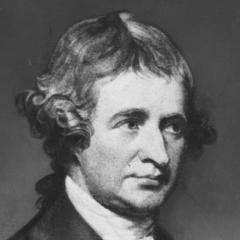
Edmund Burke, a British statesman and writer, was born on January 12, 1729, and died on July 9, 1797. He was one of the most prominent political thinkers of the 18th century, known for his profound insights into liberty, democracy, and conservatism.
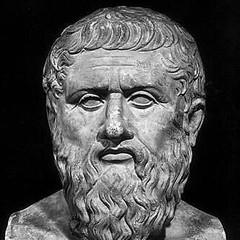
Plato (428 BC - 348 BC) was a prominent Greek philosopher, one of the most influential figures in Western philosophy. He founded the Academy, which was the first institution of higher education in the Western world. Plato's philosophy, centered around the theory of Forms, emphasized the importance of reason and morality.
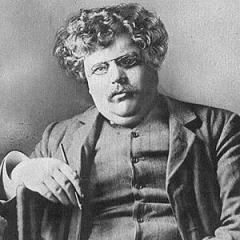
Gilbert K. Chesterton was an English writer, critic, and theologian, born on May 29, 1874, and died on June 14, 1936. Known for his unique literary style and profound philosophical thinking, Chesterton's works spanned a variety of genres, including novels, poetry, drama, and criticism.
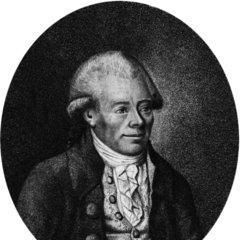
German physicist, inventor, and writer, known for his research in electricity and magnetism. He proposed Lichtenberg's law in electricity and invented various scientific instruments.
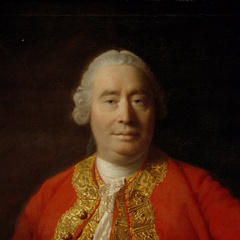
David Hume, born on May 7, 1711, in Edinburgh, Scotland, and died on August 25, 1776, was an outstanding philosopher, historian, and economist. Known for his contributions to empiricism and skepticism, his works have had a profound impact on subsequent philosophy, economics, and psychology.
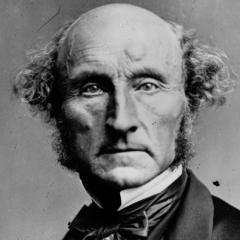
John Stuart Mill was an influential British philosopher, economist, and logician. He is one of the most important figures in 19th-century philosophy and his ideas had a profound impact on political, social, and philosophical thought of the time.