
Christopher deCharms
Christopher deCharms, born in 1966, is an expert in an unknown field. His life experience and contributions are not detailed, and his impact and evaluation are difficult to summarize.
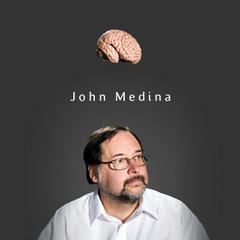
Christopher deCharms, born in 1966, is an expert in an unknown field. His life experience and contributions are not detailed, and his impact and evaluation are difficult to summarize.
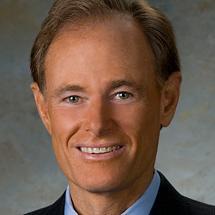
David Perlmutter is a renowned author born on December 31, 1954. His works primarily focus on health, nutrition, and neuroscience, which have been well-received by readers.
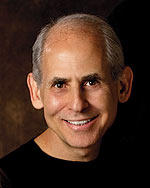
Daniel Amen, born in July 1954, is a renowned American psychiatrist. He is known for his research applications in neuroimaging, particularly in the use of SPECT (Single Photon Emission Computed Tomography) and fMRI (Functional Magnetic Resonance Imaging) to assess brain function. Dr. Amen is the founder of Amen Clinics, which specializes in treating various mental health issues using brain imaging technology.
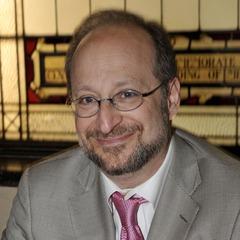
Norman Doidge is a renowned psychiatrist whose research focuses on the field of neuroplasticity. His book 'The Brain That Changes Itself: Stories of Personal Triumph from the Frontiers of Brain Science' has had a profound impact on the public's understanding of the brain's ability to change its structure and function through learning and experience.
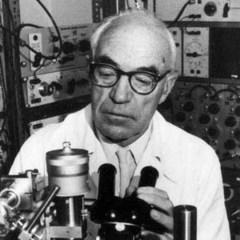
John Eccles, born on January 27, 1903, and died on May 2, 1997, was an Australian neurophysiologist renowned for his significant contributions to the field of neuroscience. His research focused on synaptic transmission and the mechanism of neurotransmitter action, providing key insights into how the brain functions.
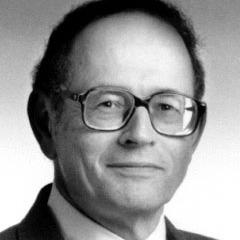
Gerald Edelman was a prominent neuroscientist and immunologist whose research focused on the interaction between the immune system and the brain. His work delved into how the immune system recognizes and attacks foreign substances, and how this process relates to the functioning of the brain. Edelman's research has significant implications for understanding autoimmune diseases and neurodegenerative disorders.
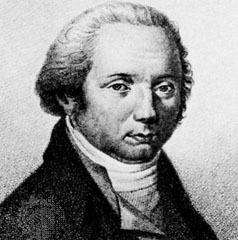
Franz Joseph Gall (March 9, 1758 - August 22, 1828) was a physiologist and is considered the founder of phrenology. He proposed the theory of phrenology, which suggested that different parts of the brain correspond to different psychological traits in individuals.
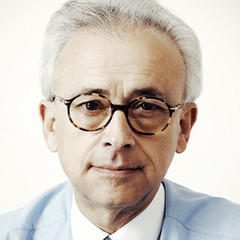
Antonio Damasio is a renowned neuroscientist and cognitive scientist, born on February 25, 1944. He has made significant contributions to the study of the relationship between emotion, consciousness, and brain function.

Andrew B. Newberg is a neuroscientist born in 1966. His research focuses on the impact of religious and spiritual practices on the human brain, particularly in areas such as meditation, prayer, and religious rituals. Newberg's work provides scientific insights into the role of the brain in religious and spiritual activities.
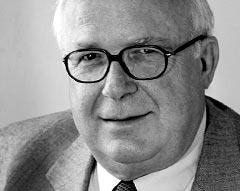
Michael Merzenich, born in 1942 in the United States, is a renowned neuroscientist and professor. His groundbreaking research in the field of neuroplasticity has had a profound impact on understanding how the brain adapts and learns, particularly in the context of musical training. Professor Merzenich's work has significantly influenced the fields of neurorehabilitation and cognitive training.