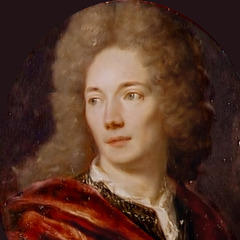
Jean de la Bruyere
Jean de la Bruyere was a French philosopher and moralist, born on August 16, 1645, and died on May 10, 1696. His works have had a profound impact on posterity.
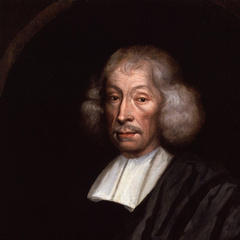
Jean de la Bruyere was a French philosopher and moralist, born on August 16, 1645, and died on May 10, 1696. His works have had a profound impact on posterity.
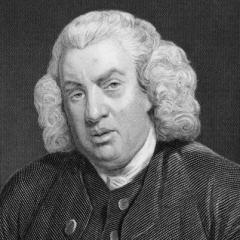
Samuel Johnson was an English writer, poet, and lexicographer, renowned for his comprehensive English dictionary, 'A Dictionary of the English Language', published in 1755. His distinctive writing style and wit have cemented his place as a significant figure in the history of English literature.
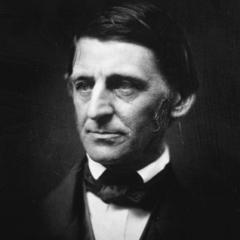
American essayist, poet, and philosopher. Born on May 25, 1803, and died on April 27, 1882. Known for his transcendentalist philosophy, his works have had a profound impact on literature and the intellectual world.

Milton A. Lee is a mysterious figure whose profession and category are unclear. He was born on February 28, 1949, and unfortunately passed away on April 26, 1968.
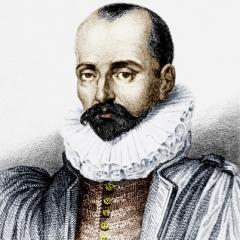
Michel de Montaigne was a French Renaissance philosopher, essayist, and writer. He is considered one of the most significant figures in the history of the essay. Montaigne's work, particularly his book 'Essays', has been influential in the development of modern prose.
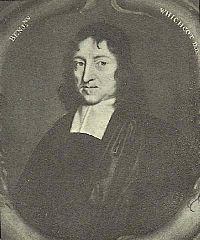
Benjamin Whichcote (1609-1683) was an influential philosopher and educator in 17th-century England. His specific profession and career are not well-documented in historical sources.
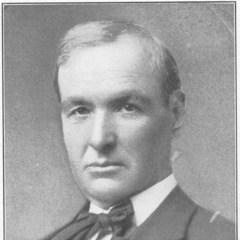
E.W. Howe, born on May 3, 1853, in London, Ontario, Canada, was a renowned novelist. His works primarily reflect the changes in Canadian society and culture, enjoying great popularity among readers.
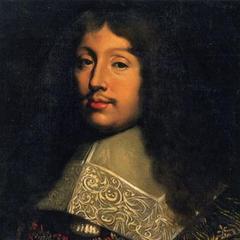
French author known for his wit and moral maxims. His works delve deeply into the flaws of human nature and the hypocrisy of society.
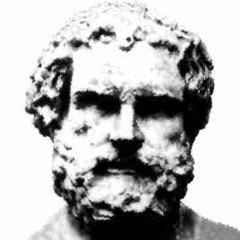
Democritus (460 BC - 370 BC) was an influential ancient Greek philosopher known as one of the founders of atomism. His philosophical ideas had a profound impact on subsequent generations, particularly his atomic theory and natural philosophy.
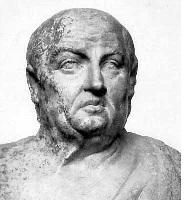
Seneca the Younger (4 BC - 65 AD) was a renowned Roman philosopher, statesman, and playwright. Born into a wealthy Roman family, he served as a government official in the Roman Empire. Seneca's philosophy was deeply influenced by Stoicism, and his works have had a profound impact on later generations.