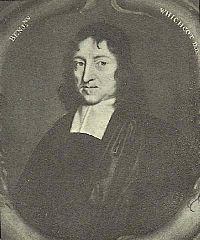
“We are only so free that others may be free as well as we.”
Source: Moral and religious aphorisms [collected by J. Jeffery from the papers of B. Whichcote]. Now re-publ., with additions, by S. Salter. To which are added, Eight letters: which passed between dr. Whichcote, and dr. Tuckney
“Some are Atheists by Neglect; others are so by Affectation; they, that think there is no God at some times; do not think so at all times.”
Source: Moral and religious aphorisms collected from the manuscript papers of the reverend and learned Doctor Whichcote; and published in 1703, by Dr. Jeffery. Now re-published, with very large additions, ... by Samuel Salter, ... To which are added, Eight letter
“Did Christians live according to their Religion, they would do nothing but what Truth, Righteousness, and Goodness do, according to their understanding and ability: and then one man would be a God unto another.”
“Conscience is ... the God dwelling in us.”
“Those who live not by law would be justified by Custom: but, as common practice is the worst teacher that ever was, so the truth and goodness of things is not to be estimated by the entertainment and acceptance they find in the world.”
Source: Moral and religious aphorisms [collected by J. Jeffery from the papers of B. Whichcote]. Now re-publ., with additions, by S. Salter. To which are added, Eight letters: which passed between dr. Whichcote, and dr. Tuckney
“Either be a true friend or a mere stranger: a true friend will delight to do good--a mere stranger will do no harm.”
Source: Moral and religious aphorisms collected from the manuscript papers of the reverend and learned Doctor Whichcote; and published in 1703, by Dr. Jeffery. Now re-published, with very large additions, ... by Samuel Salter, ... To which are added, Eight letter
“No men stand more in fear of God than those who most deny Him.”
Source: Moral and religious aphorisms [collected by J. Jeffery from the papers of B. Whichcote]. Now re-publ., with additions, by S. Salter. To which are added, Eight letters: which passed between dr. Whichcote, and dr. Tuckney
“Religion is ... being as much like God as man can be.”
Source: Moral and religious aphorisms [collected by J. Jeffery from the papers of B. Whichcote]. Now re-publ., with additions, by S. Salter. To which are added, Eight letters: which passed between dr. Whichcote, and dr. Tuckney
“Such an explication of Grace as sets men at liberty in morals, makes void the Law through Faith.”
Source: Moral and religious aphorisms collected from the manuscript papers of the reverend and learned Doctor Whichcote; and published in 1703, by Dr. Jeffery. Now re-published, with very large additions, ... by Samuel Salter, ... To which are added, Eight letter
“The State of Grace and the Life of Sin are incompatibilities.”
“It is hypocrisy for man to make any other use of his religion, or the credit of it, than to sanctify and save his soul.”
Source: Moral and religious aphorisms [collected by J. Jeffery from the papers of B. Whichcote]. Now re-publ., with additions, by S. Salter. To which are added, Eight letters: which passed between dr. Whichcote, and dr. Tuckney
“Christ is God clothed with human nature.”
“The judge is nothing but the law speaking.”
Source: Moral and religious aphorisms [collected by J. Jeffery from the papers of B. Whichcote]. Now re-publ., with additions, by S. Salter. To which are added, Eight letters: which passed between dr. Whichcote, and dr. Tuckney
“The Devil often finds work for them who find none for themselves.”
Source: Moral and religious aphorisms [collected by J. Jeffery from the papers of B. Whichcote]. Now re-publ., with additions, by S. Salter. To which are added, Eight letters: which passed between dr. Whichcote, and dr. Tuckney
“He is not likely to learn who is not willing to be taught; for the learner has something to do, as well as the teacher.”
Source: Moral and religious aphorisms [collected by J. Jeffery from the papers of B. Whichcote]. Now re-publ., with additions, by S. Salter. To which are added, Eight letters: which passed between dr. Whichcote, and dr. Tuckney
“Let us all so live as we shall wish we had lived when we come to die; for that only is well, that ends well.”
“It is altogether as worthy of God and as much becoming Him to pardon and show mercy, in case of repentance and submission and reformation, as to punish, in case of impenitency and obstinacy.”
“The more mysterious, the more imperfect; as darkness is, in comparison with light--so is mystery, in comparison with knowledge.”
“All is not done when we have spoken to God by prayer; our petitions are to be pursued with real endeavours.”
Source: Moral and religious aphorisms [collected by J. Jeffery from the papers of B. Whichcote]. Now re-publ., with additions, by S. Salter. To which are added, Eight letters: which passed between dr. Whichcote, and dr. Tuckney
“Those that differ upon Reason, may come together by Reason.”
Source: Moral and religious aphorisms [collected by J. Jeffery from the papers of B. Whichcote]. Now re-publ., with additions, by S. Salter. To which are added, Eight letters: which passed between dr. Whichcote, and dr. Tuckney
“He that useth his reason doth acknowledge God.”
Source: Moral and religious aphorisms collected from the manuscript papers of the reverend and learned Doctor Whichcote; and published in 1703, by Dr. Jeffery. Now re-published, with very large additions, ... by Samuel Salter, ... To which are added, Eight letter
“Where Religion does take place and is effectual, it makes this world, in measure and degree, representative of Heaven.”
Source: Moral and religious aphorisms [collected by J. Jeffery from the papers of B. Whichcote]. Now re-publ., with additions, by S. Salter. To which are added, Eight letters: which passed between dr. Whichcote, and dr. Tuckney
“None more deceive themselves than they who think their religion is true and genuine, thought it refines not their spirits and reforms not their lives.”
Source: Moral and religious aphorisms collected from the manuscript papers of the reverend and learned Doctor Whichcote; and published in 1703, by Dr. Jeffery. Now re-published, with very large additions, ... by Samuel Salter, ... To which are added, Eight letter
“The sense of repentance is better assurance of pardon than the testimony of an angel.”
Source: Moral and religious aphorisms [collected by J. Jeffery from the papers of B. Whichcote]. Now re-publ., with additions, by S. Salter. To which are added, Eight letters: which passed between dr. Whichcote, and dr. Tuckney
“He that does not repent, sins again.”
Source: Moral and religious aphorisms [collected by J. Jeffery from the papers of B. Whichcote]. Now re-publ., with additions, by S. Salter. To which are added, Eight letters: which passed between dr. Whichcote, and dr. Tuckney
“Repentance doth alter a man's case with God: and therefore repentance should alter the case between one man and another.”
“God imposeth no Law of Righteousness upon us which He doth not observe Himself.”
“If a man will be righteous and equal, let him see, with his neighbour's eyes, in his own case; and with his own eyes, in his neighbour's case.”
“Let not a man's self be to him all in all.”
Source: Moral and religious aphorisms [collected by J. Jeffery from the papers of B. Whichcote]. Now re-publ., with additions, by S. Salter. To which are added, Eight letters: which passed between dr. Whichcote, and dr. Tuckney
“Whoever despiseth shame, despiseth sin.”
“Ah! when in the immortal ranks enlisted, I sometimes wonder if we shall not find That not by deeds, but by what we've resisted, Our places are assigned.”
“He that is dishonest, trusts nobody.”
“Virtue is the health, true state, natural complexion of the Soul.”
Source: Moral and religious aphorisms collected from the manuscript papers of the reverend and learned Doctor Whichcote; and published in 1703, by Dr. Jeffery. Now re-published, with very large additions, ... by Samuel Salter, ... To which are added, Eight letter
“Riches are but a means, or instrument; and the virtue of an instrument lies in its use.”
Source: Moral and religious aphorisms collected from the manuscript papers of the reverend and learned Doctor Whichcote; and published in 1703, by Dr. Jeffery. Now re-published, with very large additions, ... by Samuel Salter, ... To which are added, Eight letter
“Will, without reason, is a blind man's motion; will, against reason, is a madman's motion.”
Source: Moral and religious aphorisms collected from the manuscript papers of the reverend and learned Doctor Whichcote; and published in 1703, by Dr. Jeffery. Now re-published, with very large additions, ... by Samuel Salter, ... To which are added, Eight letter
“He that is conceited of his Wisdom, is readier to impose Error, than to receive Truth.”
Source: Moral and religious aphorisms collected from the manuscript papers of the reverend and learned Doctor Whichcote; and published in 1703, by Dr. Jeffery. Now re-published, with very large additions, ... by Samuel Salter, ... To which are added, Eight letter
“None of us was born knowing or wise; but men become wise by consideration, observation, experience.”
Source: Moral and religious aphorisms [collected by J. Jeffery from the papers of B. Whichcote]. Now re-publ., with additions, by S. Salter. To which are added, Eight letters: which passed between dr. Whichcote, and dr. Tuckney
“A good word costs as little as a bad one, and is worth more.”
Source: Moral and religious aphorisms collected from the manuscript papers of the reverend and learned Doctor Whichcote; and published in 1703, by Dr. Jeffery. Now re-published, with very large additions, ... by Samuel Salter, ... To which are added, Eight letter
“Truth is not only a man's ornament but his instrument; it is the great man's glory, and the poor man's stock: a man's truth is his livelihood, his recommendation, his letters of credit.”
Source: Moral and religious aphorisms [collected by J. Jeffery from the papers of B. Whichcote]. Now re-publ., with additions, by S. Salter. To which are added, Eight letters: which passed between dr. Whichcote, and dr. Tuckney
“He that would have the perfection of pleasure must be moderate in the use of it.”
“He that neither knows himself nor thinks he can learn of others is not fit for company.”
Source: Moral and religious aphorisms collected from the manuscript papers of the reverend and learned Doctor Whichcote; and published in 1703, by Dr. Jeffery. Now re-published, with very large additions, ... by Samuel Salter, ... To which are added, Eight letter
“We are made for one another, and each is to be a supply to his neighbor.”
“A good man's life is all of a piece.”
Source: Moral and religious aphorisms [collected by J. Jeffery from the papers of B. Whichcote]. Now re-publ., with additions, by S. Salter. To which are added, Eight letters: which passed between dr. Whichcote, and dr. Tuckney
“It is base and unworthy to live below the dignity of our nature.”
Source: The works of ... Benjamin Whichcote
“Every profession does imply a trust for the service of the public.”
Source: Moral and religious aphorisms collected from the manuscript papers of the reverend and learned Doctor Whichcote; and published in 1703, by Dr. Jeffery. Now re-published, with very large additions, ... by Samuel Salter, ... To which are added, Eight letter
“Take away the self-conceited, and there will be elbowroom in the world.”
Source: Moral and religious aphorisms collected from the manuscript papers of the reverend and learned Doctor Whichcote; and published in 1703, by Dr. Jeffery. Now re-published, with very large additions, ... by Samuel Salter, ... To which are added, Eight letter
“Nothing spoils human nature more than false zeal. The good nature of a heathen is more God-like than the furious zeal of a Christian.”
Source: Moral and religious aphorisms [collected by J. Jeffery from the papers of B. Whichcote]. Now re-publ., with additions, by S. Salter. To which are added, Eight letters: which passed between dr. Whichcote, and dr. Tuckney
“Only madmen and fools are pleased with themselves; no wise man is good enough for his own satisfaction.”
“Joy is the life of man's life.”
Source: Moral and religious aphorisms collected from the manuscript papers of the reverend and learned Doctor Whichcote; and published in 1703, by Dr. Jeffery. Now re-published, with very large additions, ... by Samuel Salter, ... To which are added, Eight letter
“Every man is born with the faculty of reason and the faculty of speech, but why should he be able to speak before he has anything to say?”