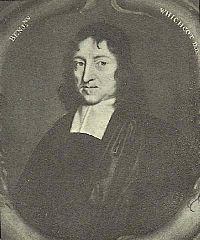
Benjamin Whichcote
Benjamin Whichcote (1609-1683) was an influential philosopher and educator in 17th-century England. His specific profession and career are not well-documented in historical sources.
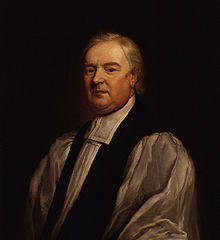
Benjamin Whichcote (1609-1683) was an influential philosopher and educator in 17th-century England. His specific profession and career are not well-documented in historical sources.
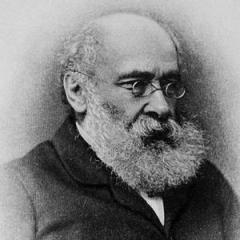
Anthony Trollope was an English novelist known for his detailed portrayals of Victorian British society. His works often centered around political and administrative themes, showcasing his profound insights into social structures and class divisions.
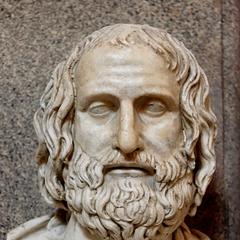
Euripides, a renowned Greek tragic playwright, is one of the three great tragic poets of ancient Greece, alongside Aeschylus and Sophocles. His life and achievements are not well-documented.
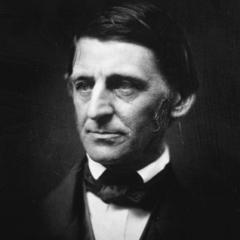
American essayist, poet, and philosopher. Born on May 25, 1803, and died on April 27, 1882. Known for his transcendentalist philosophy, his works have had a profound impact on literature and the intellectual world.
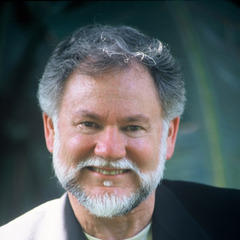
Warren Farrell is an activist, born on June 26, 1943. He is known for his advocacy for gender equality and men's issues.
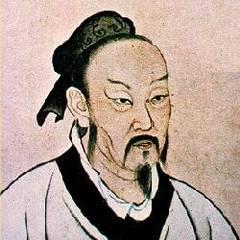
Mencius, also known as Meng Ke, was a renowned philosopher during the Warring States period of ancient China. He was one of the key figures in the Confucian school and his ideas on benevolent rule and people-centered governance had a profound impact on Chinese politics and culture.
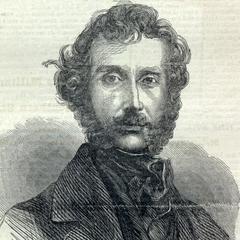
British novelist known for his historical novels and Gothic tales, famous for works such as 'Peveril of the Peak' and 'Evelyn Hope'.
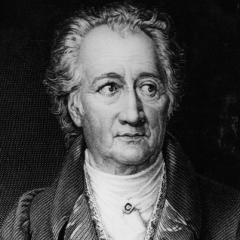
Johann Wolfgang von Goethe, born on August 28, 1749, and died on March 22, 1832, was a prominent German writer, thinker, and scientist. He is one of the greatest writers in German literary history and his works have had a profound impact on the world. His most famous works include 'Faust' and 'The Sorrows of Young Werther'.
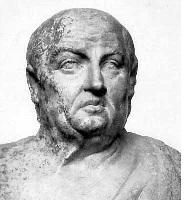
Seneca the Younger (4 BC - 65 AD) was a renowned Roman philosopher, statesman, and playwright. Born into a wealthy Roman family, he served as a government official in the Roman Empire. Seneca's philosophy was deeply influenced by Stoicism, and his works have had a profound impact on later generations.
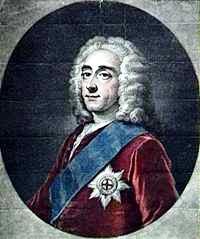
British statesman known for his epistolary works, which had a profound impact on 18th-century British society.