
Arundhati Roy
Arundhati Roy is an Indian author best known for her novel 'The God of Small Things', which won the Booker Prize in 1997. Her works often explore social and political issues such as class, race, and gender.
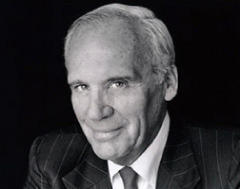
Arundhati Roy is an Indian author best known for her novel 'The God of Small Things', which won the Booker Prize in 1997. Her works often explore social and political issues such as class, race, and gender.

Michael Moore is an American documentary filmmaker, writer, and activist. His work often focuses on social and political issues, known for his sharp criticism and humorous style. Moore's films include 'Roger & Me', 'Fahrenheit 9/11', and 'Capitalism: A Love Story', which have had a wide-reaching impact globally.
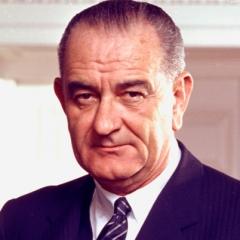
Lyndon B. Johnson, the 36th President of the United States, served from 1963 to 1969. He assumed the presidency following the assassination of John F. Kennedy and is known for his 'Great Society' programs aimed at reducing poverty and racial injustice.
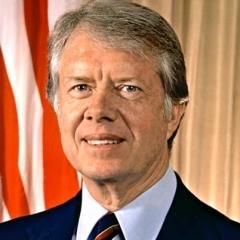
Jimmy Carter, born on October 1, 1924, was the 39th President of the United States, serving from 1977 to 1981. His presidency was characterized by a focus on human rights and international diplomacy, reflecting his dedication to peace and social justice. Post-presidency, Carter has been active in the non-profit sector, notably through the Carter Center, which he founded to promote peace and health worldwide.
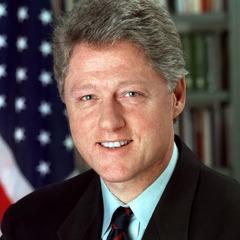
William Jefferson Clinton, the 42nd President of the United States, was born on August 19, 1946. His presidency was marked by economic prosperity and a series of achievements in domestic and foreign policy. Despite controversies, including a sex scandal and impeachment, Clinton's economic legacy and foreign policy initiatives continue to be widely discussed and studied.
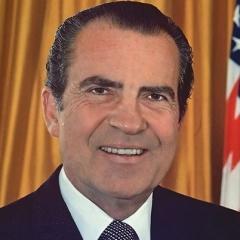
Richard Milhous Nixon (January 9, 1913 – April 22, 1994) was the 37th president of the United States, serving from 1969 to 1974. A Republican, he previously served as a U.S. representative and senator from California and as the 36th vice president under Dwight D. Eisenhower. Nixon is best known for his Cold War foreign policy, including the historic 1972 visit to China, détente with the Soviet Union, and the gradual withdrawal of U.S. troops from Vietnam. However, his presidency was overshadowed by the Watergate scandal, leading to his resignation—the only such case in U.S. history. His legacy remains complex, marked by significant diplomatic achievements and profound ethical failures.
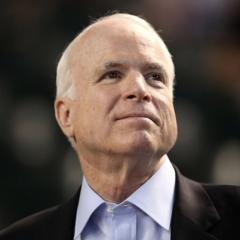
John McCain was an American politician, statesman, and retired naval officer who served as a United States Senator from Arizona from 1987 to 2017. He was the Republican nominee for President of the United States in the 2008 election. McCain was a decorated veteran of the Vietnam War, and his career was marked by his strong advocacy for civil liberties, campaign finance reform, and military service.
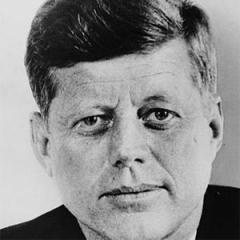
John F. Kennedy was the 35th President of the United States, serving from 1961 to 1963. His presidency was marked by the Civil Rights Act, the New Frontier policy, and the intense Cold War confrontation with the Soviet Union. Kennedy was known for his youthful charm and charisma, but his assassination during his term shocked the world.
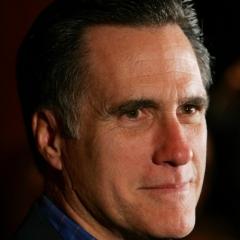
Mitt Romney, born on March 12, 1947, served as the Governor of Massachusetts and is a notable figure in American politics and business. He is recognized for his role in the 2012 U.S. presidential election and his tenure as the head of Bain Capital.
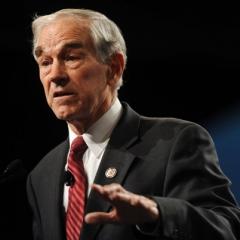
Ron Paul, a former U.S. Representative, was born on August 20, 1935. He is a renowned politician, physician, and author who served as a U.S. Representative from Texas from 1976 to 1985. Paul ran for the Republican presidential nomination in 2008 and 2012. He is known for his libertarian views and criticism of monetary policy.