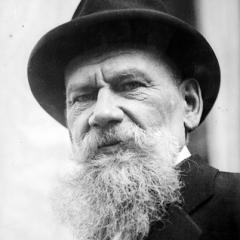
Leo Tolstoy
Leo Tolstoy was a Russian writer and thinker, a prominent representative of 19th-century Russian literature. His works deeply revealed social contradictions and human nature, and had a profound impact on the world.
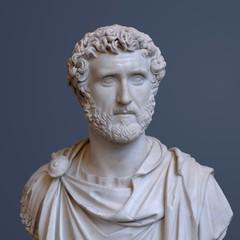
Leo Tolstoy was a Russian writer and thinker, a prominent representative of 19th-century Russian literature. His works deeply revealed social contradictions and human nature, and had a profound impact on the world.
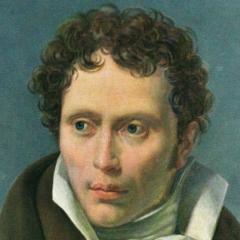
Arthur Schopenhauer was a prominent German philosopher born on February 22, 1788, and died on September 21, 1860. He is one of the most important figures in 19th-century German philosophy and is known for his unique pessimistic philosophical ideas.
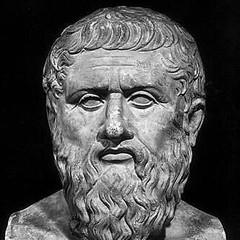
Plato (428 BC - 348 BC) was a prominent Greek philosopher, one of the most influential figures in Western philosophy. He founded the Academy, which was the first institution of higher education in the Western world. Plato's philosophy, centered around the theory of Forms, emphasized the importance of reason and morality.
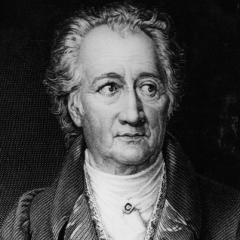
Johann Wolfgang von Goethe, born on August 28, 1749, and died on March 22, 1832, was a prominent German writer, thinker, and scientist. He is one of the greatest writers in German literary history and his works have had a profound impact on the world. His most famous works include 'Faust' and 'The Sorrows of Young Werther'.
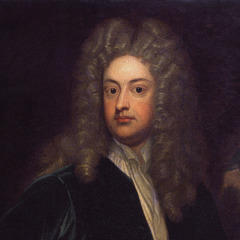
Joseph Addison, born on May 1, 1672, and died on June 17, 1719, was an influential English essayist, dramatist, and poet. He is known for his elegant prose style and his co-authorship of the magazine 'The Spectator' with Richard Steele.
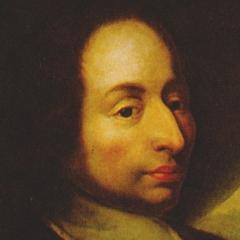
Blaise Pascal was a French mathematician, physicist, philosopher, and theologian. He was born on June 19, 1623, and died on August 19, 1662. Pascal's contributions to mathematics were particularly significant, with groundbreaking work in probability theory, analytical geometry, and early calculus.
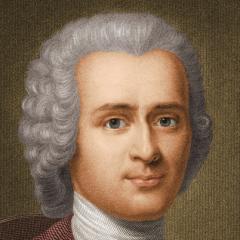
Jean-Jacques Rousseau was a French philosopher, writer, and composer, considered one of the most important figures of the Enlightenment. His works have had a profound impact on subsequent literature, political, and social theories.
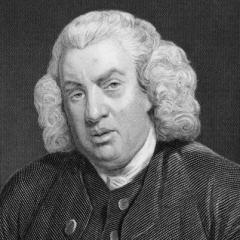
Samuel Johnson was an English writer, poet, and lexicographer, renowned for his comprehensive English dictionary, 'A Dictionary of the English Language', published in 1755. His distinctive writing style and wit have cemented his place as a significant figure in the history of English literature.
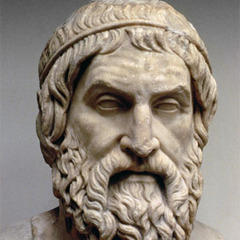
Sophocles, born in 498 BC and died in 406 BC, was a renowned Greek tragic playwright. He is one of the three greatest tragic poets of ancient Greece, alongside Aeschylus and Euripides. Sophocles' works profoundly revealed the complexity of human nature and social contradictions, exerting a profound influence on subsequent drama.
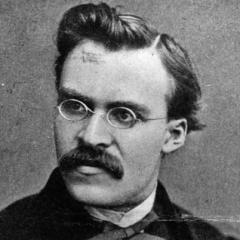
Friedrich Nietzsche was a German philosopher, cultural critic, poet, and writer whose works have had a profound impact on subsequent philosophy, literature, and thought. His ideas revolve around concepts such as the 'will to power', the 'Übermensch', and the 'eternal recurrence'.