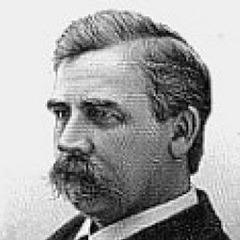
Charles Caleb Colton
Charles Caleb Colton was an English writer active from 1780 to 1832. Known for his humor and wit, he is particularly recognized for his aphorisms and satirical works.
Charles Caleb Colton was an English writer active from 1780 to 1832. Known for his humor and wit, he is particularly recognized for his aphorisms and satirical works.
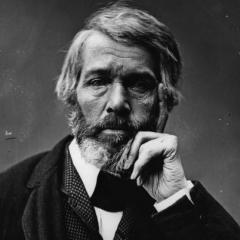
Thomas Carlyle, born on December 4, 1795, and died on February 5, 1881, was a prominent Scottish philosopher, historian, and writer. His works are known for their profound social criticism and unique literary style, which had a significant impact on 19th-century British literature and thought.
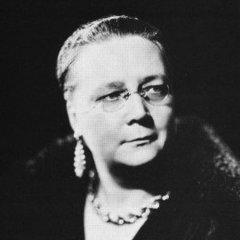
Dorothy L. Sayers was an English writer renowned for her detective novels. Her works are celebrated for their unique literary style and profound insights into criminal psychology. Sayers' detective novels typically feature the character of Valery West, a female detective, whose stories offer not only suspenseful plots but also delve into moral and philosophical issues.
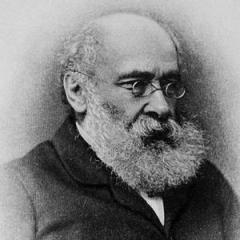
Anthony Trollope was an English novelist known for his detailed portrayals of Victorian British society. His works often centered around political and administrative themes, showcasing his profound insights into social structures and class divisions.
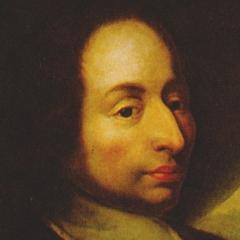
Blaise Pascal was a French mathematician, physicist, philosopher, and theologian. He was born on June 19, 1623, and died on August 19, 1662. Pascal's contributions to mathematics were particularly significant, with groundbreaking work in probability theory, analytical geometry, and early calculus.
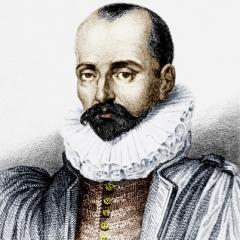
Michel de Montaigne was a French Renaissance philosopher, essayist, and writer. He is considered one of the most significant figures in the history of the essay. Montaigne's work, particularly his book 'Essays', has been influential in the development of modern prose.
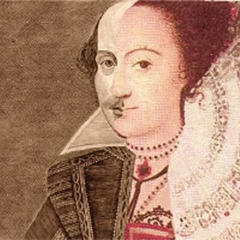
Emilia Lanier, a renowned English poet, was born in 1569 and died in 1645. Her poetry works garnered widespread attention during her time, and she is considered one of the representative figures in the history of women's literature.
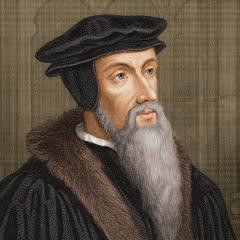
John Calvin (July 10, 1509 - May 27, 1564) was a significant figure in the 16th-century Protestant Reformation and the founder of the Calvinist branch of Protestantism. He was a theologian, philosopher, and Christian reformer whose theological ideas had a profound impact on subsequent generations.
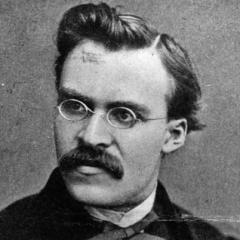
Friedrich Nietzsche was a German philosopher, cultural critic, poet, and writer whose works have had a profound impact on subsequent philosophy, literature, and thought. His ideas revolve around concepts such as the 'will to power', the 'Übermensch', and the 'eternal recurrence'.
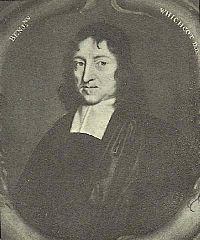
Benjamin Whichcote (1609-1683) was an influential philosopher and educator in 17th-century England. His specific profession and career are not well-documented in historical sources.