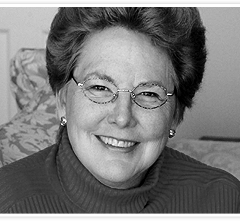
How We Became Posthuman: Virtual Bodies... A source page for quotes linked to N. Katherine Hayles. 0 quotes
“If my nightmare is a culture inhabited by posthumans who regard their bodies as fashion accessories rather than the ground of being, my dream is a version of the posthuman that embraces the possibilities of information technologies without being seduced by fantasies of unlimited power and disembodied immortality, that recognizes and celebrates finitude as a condition of human being, and that understands human life is embedded in a material world of great complexity, one on which we depend for our continued survival.” ScienceTheoryPosthumanism Book:How We Became Posthuman: Virtual Bodies in Cybernetics, Literature, and Informatics Source: How We Became Posthuman: Virtual Bodies in Cybernetics, Literature, and Informatics
“We should not see print and electronic literature as in competition, but rather in conversation. The more voices that join in, the richer the dialogue is likely to be.” ShouldLiteratureVoiceConversationCompetitionDialoguePrint Author:N. Katherine Hayles
“Deep attention, the cognitive style traditionally associated with the humanities, is characterized by concentrating on a single object for long periods (say, a novel by Dickens), ignoring outside stimuli while so engaged, preferring a single information stream, and having a high tolerance for long focus times. Hyper attention is characterized by switching focus rapidly among different tasks, preferring multiple information streams, seeking a high level of stimulation, and having a low tolerance for boredom.” LongDifferentHumanityLevelsAttentionNovelFocusStyleInformationObjectsPeriodsLowsTasksSeekingToleranceEngagedStreamsBoredomMultipleStimulusConcentratingCognitiveHigh LevelDickensStimulationHyperSwitching Author:N. Katherine Hayles
“First they use technology to poison the planet, then they develop it further to escape from the planet they have poisoned.” FirstsUseTechnologyPlanetsPoison Author:N. Katherine Hayles
“Lulled into somnolence by five hundred years of print, literary studies have been slow to wake up to the importance of MSA (media-specific analysis). Literary criticism and theory are shot through with unrecognized assumptions specific to print. Only now, as the new medium of electronic textuality vibrantly asserts its presence, are these assumptions clearly coming into view.” YearsHas BeensViewsStudyFiveMediaTheoryHundredShotsCriticismImportanceWake UpMediumsAnalysisAssumptionPrintLiterary Criticism Author:N. Katherine Hayles