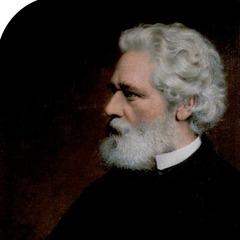
Philip James Bailey (April 22, 1816 – September 6, 1902) was an English poet of the Victorian era, best known for his epic poem 'Festus'. Born in Nottingham, he studied law at the University of Glasgow but chose poetry over a legal career. 'Festus', published in 1839, is a philosophical and religious epic exploring themes of faith, love, and redemption, which gained considerable popularity and went through multiple editions. Influenced by Byron and Shelley, Bailey's work reflects Romantic idealism and Victorian moral concerns. Despite later works like 'The Angel World' and 'The Mystic', he never replicated the success of 'Festus'. He spent most of his life in Nottingham and Jersey, and died in relative obscurity. Today, he is remembered as a minor but notable figure in Victorian poetry.
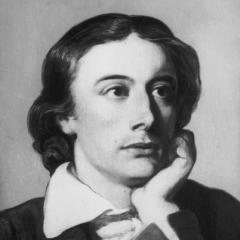
John Keats, a British Romantic poet, was born on October 31, 1795, and died on February 23, 1821. Known for his profound depictions of nature, love, and death, Keats' poetry is characterized by its fresh style and sincere emotion, exerting a profound influence on poets of later generations.
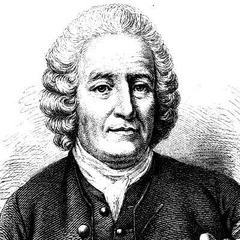
Emanuel Swedenborg was a Swedish scientist, philosopher, and theologian. Born on January 29, 1688, and died on March 29, 1772. The surname 'Swedenborg' is derived from the Swedish word 'borg', meaning 'castle', hence his name can be translated as 'Manuel of the Castle'. Swedenborg made significant contributions to science, particularly in the fields of chemistry, mineralogy, and electricity. His ideas had a profound impact on later science and philosophy.
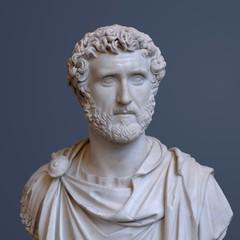
Marcus Aurelius, born in 121 AD and died in 180 AD, was an emperor of the Roman Empire. He is one of the Five Good Emperors and is known for his philosophical thoughts and the stability of his reign. He was not only an outstanding politician but also a famous Stoic philosopher, whose work 'Meditations' has had a profound impact on later generations.
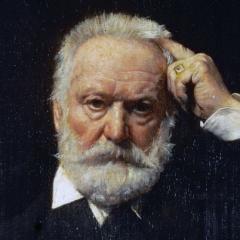
Victor Hugo, a French romantic poet, novelist, and playwright, was born on February 26, 1802, and died on May 22, 1885. He is considered one of the greatest writers in French literary history, known for his profound humanistic concerns and rich imagination.
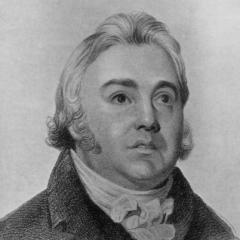
Samuel Taylor Coleridge was an English poet, critic, and philosopher, renowned for his works such as 'The Rime of the Ancient Mariner' and 'Kubla Khan'. A leading figure in the Romantic movement, his work has had a significant impact on English literature.
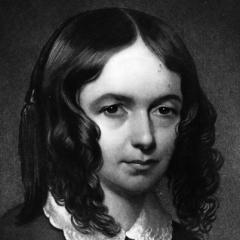
Elizabeth Barrett Browning, a prominent English Romantic poet, was born on March 6, 1806, and died on June 29, 1861. Her poetry is renowned for its profound emotions and rich imagination, making her one of the greatest female poets of the 19th century.
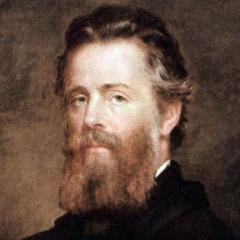
Herman Melville was a renowned 19th-century American novelist known for his profound psychological descriptions and unique literary style. His masterpiece, 'Moby-Dick', is considered a classic of American literature.
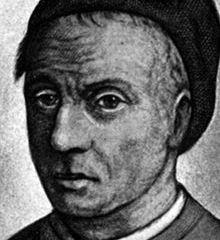
Thomas a Kempis (1380 - July 25, 1471) was a German canon, known for his spiritual writings. He is best known for his work 'The Imitation of Christ,' which has had a profound impact on Christian thought and practice.
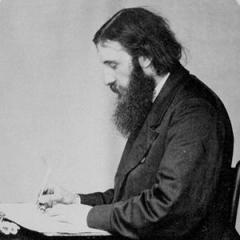
George MacDonald was a 19th-century Scottish author known for his fantasy literature and religious thought. His works had a profound influence on later writers, such as J.R.R. Tolkien and C.S. Lewis.
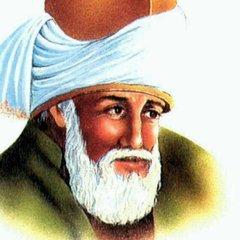
Rumi, also known as Jalal al-Din Rumi, was a 13th-century Persian poet and Sufi mystic. His poetry is renowned for its profound philosophy, beautiful language, and strong emotions, and has had a profound impact on the world.