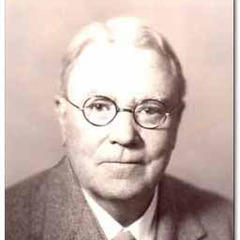
Walter Bradford Cannon was a prominent physiologist known for his research on how the nervous and endocrine systems influence physiological responses. Born on October 19, 1871, and died on the same day in 1945, Cannon completed his undergraduate and graduate studies at Harvard University, where he began his academic career. His most famous contribution was the concept of the 'fight or flight response,' which explained the unity of physiological responses in animals facing threats. Cannon's work revealed the critical role of the sympathetic nervous system and adrenaline in regulating these responses. Beyond his theoretical contributions, Cannon made significant contributions to physiological education, emphasizing the importance of experimentation and observation in his teaching methods. His influence is widely recognized, with his work profoundly impacting subsequent research in physiology and psychology, particularly in understanding the effects of stress and emotions on health.