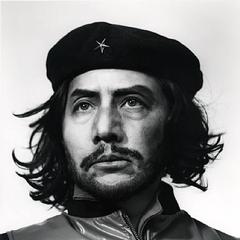
“Taking photographs is generally an act of 'looking at the object, whereas 'being seen' or 'showing' is what is most interest to one who does a self-portrait...self-portraits deny not only photography itself but the 20th century as an era as well...an inevitable phenomenon at the end of the 20th century.” WellsDoeEndsSelfInterestCenturyObjectsPhotographyPhotographDenyErasInevitablePhenomenonPortraits20th CenturySelf PortraitSelf Portrait Photography Author:Yasumasa Morimura
“I was worried that I, the artist Morimura, would have conflicts with the participating artists and develop a strenuous relationship with them. But the actual experience was completely the opposite. The artists accepted my requests rather positively, because it came from a fellow artist. I strongly feel that the fact that my being an artist avoided the usual curator vs artist tension, and led to creating a positive atmosphere as well as developing a solidarity amongst artists and building a community for artists.” FeelsWellsFactsArtistCommunityBuildingConflictCreatingOppositesFellowsAcceptedDevelopingWorriedAtmosphereTensionUsualSolidarityPositivelyAvoidedRequestParticipatingBeing An ArtistCurator Author:Yasumasa Morimura
“In Fahrenheit 451, Ray Bradbury raised cautions against mass media, especially the television, which dumb down human sensibilities and coerce everybody's thoughts into a single uniform value, allowing human to forget the fundamental action of "having one's opinion". As a result, the society deteriorates. I decided to exhibit [Edward] Kienholz's work which features television as its subject, as well as the Big Double Cross as works that represent this warning.” HumansWellsBigsActionValuesForgetResultsOpinionSubjectsMediaTelevisionMassCrossesDecidedFundamentalsRaisedDumbFeaturesAllowingWarningRaysUniformsSensibilityCautionExhibitsMass MediaCoerceBradbury Author:Yasumasa Morimura