“Giving does not impoverish us nor does withholding enrich us.”
Quote by B.K.S. Iyengar
Work
Sparks of Divinity: The Teachings of B. K. S. Iyengar
Sparks of Divinity: The Teachings of B. K. S. Iyengar is a comprehensive collection of the teachings of B. K. S. Iyengar, a highly respected figure in the yoga community. The book covers a wide range of topics, including the history of yoga, the importance of proper alignment, and the role of breath in practice. It includes anecdotes and stories from Iyengar's own experiences, offering a personal perspective on his teachings. The book is well-suited for those looking to deepen their practice and understanding of yoga's principles. more
Author
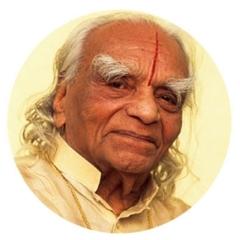
B.K.S. Iyengar
B.K.S. Iyengar, a renowned Indian yoga master, was born on December 14, 1918, and passed away on August 20, 2014. He is known for his unique teaching methods and yoga philosophy, making significant contributions to the popularization and development of modern yoga. more
You May Also Like
Source: Sparks of Divinity: The Teachings of B. K. S. Iyengar
“Yoga is the music of the soul. So do continue, and the gates of the soul will open.”
Source: Sparks of Divinity: The Teachings of B. K. S. Iyengar
Source: Sparks of Divinity: The Teachings of B. K. S. Iyengar
“Knowledge of yoga is no substitute for practice.”
Source: Light on Life: The Yoga Journey to Wholeness, Inner Peace, and Ultimate Freedom
Source: Sparks of Divinity: The Teachings of B. K. S. Iyengar
Source: Sparks of Divinity: The Teachings of B. K. S. Iyengar
“Yoga aims for complete awareness in everything you do.”
Source: Sparks of Divinity: The Teachings of B. K. S. Iyengar