“Men measure not only other men, but all other things, by themselves.”
Quote by Thomas Hobbes
Work
Leviathan - Revised Edition
The Revised Edition of 'Leviathan' is a foundational work in the field of political philosophy, written by Thomas Hobbes. It delves into the concept of a sovereign authority necessary to maintain order in a state of nature. The book is renowned for its exploration of the social contract and the role of government in protecting the rights and well-being of its citizens. more
Author
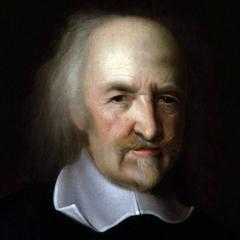
Thomas Hobbes
Thomas Hobbes, a British philosopher, politician, historian, economist, and writer, was born on April 5, 1588, in Wiltshire, and died on December 4, 1679, in Oxford, England. Hobbes is considered one of the most important philosophers of the 17th century, known for his profound analysis of the state, society, and human behavior. more
You May Also Like
Source: Leviathan
Source: The Moral and Political Works To which is Prefixed the Autors Life, Extracted from that Said to be Written by Himself ... Illustr. by the Ed. - London 1750
Source: The Moral and Political Works of Thomas Hobbes of Malmesbury: Never Before Collected Together : To which is Prefixed, the Author's Life, Extracted from that Said to be Written by Himself, ...
Source: Leviathan
Source: The English Works of Thomas Hobbes of Malmesbury
Source: Leviathan
Source: Leviathan
“Understanding is by the flame of the passions never enlightened, but dazzled.”
Source: Leviathan
Source: Leviathan: Or the Matter, Forme, and Power of a Commonwealth Ecclesiasticall and Civil