Quotessence
Home / Quotes / Quote by George Henry Lewes

Quote by George Henry Lewes

“Over the meeting of the lovers I draw a veil. The burst of rapture with which they clasped each other in a wild embrace -- the many inquiries -- the fond regrets and thrilling hopes -- it is out of my power to convey. Let me, therefore, leave them to their happiness.”

Quote by George Henry Lewes

Work

Ranthorpe ...

Ranthorpe is a work of fiction that delves into the realms of fantasy, featuring a narrative that intertwines elements of adventure and exploration within a richly imagined world. more

Author

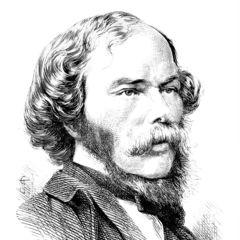
George Henry Lewes
George Henry Lewes

George Henry Lewes was a British philosopher, literary critic, and writer. Born on April 18, 1817, and died on November 28, 1878, Lewes is known for his contributions to moral philosophy, aesthetics, and literary criticism. more

You May Also Like

“The moral nature of man is more sacred in my eyes than his intellectual nature. I know they cannot be divorced - that without intelligence we should be brutes - but it is the tendency of our gaping, wondering dispositions to give pre-eminence to those faculties which most astonish us. Strength of character seldom, if ever, astonishes; goodness, lovingness, and quiet self-sacrifice, are worth all the talents in the world.”

“I have always considered The Merry Wives one of the worst plays, if not altogether the worst, that Shakespeare has left us. The wit for the most part is dreary or foolish; the tone is coarse and farcical; and the characters want the fine distinctive touches he so well knew how to give. If some luckless wight had written such a comedy in our time, I should like to see what the critics would say to it?”

“In urging all writers to be steadfast in reliance on the ultimate victory of excellence, we should no less strenuously urge upon them to beware of the intemperate arrogance which attributes failure to a degraded condition of the public mind. The instinct which leads the world to worship success is not dangerous. The book which succeeds accomplishes its aim. The book which fails may have many excellencies, but they must have been misdirected.”

“Whatever lies beyond the limits of experience, and claims another origin than that of induction and deduction from established data, is illegitimate.”