Quotessence
Home / Quotes / Quote by Friedrich August von Hayek

Quote by Friedrich August von Hayek

“The Socratic maxim that the recognition of our ignorance is the beginning of wisdom has profound significance for our understanding of society. Most of the advantages of social life, especially in the more advanced forms that we call "civilization" rest on the fact that the individual benefits from more knowledge than he is aware of. It might be said that civilization begins when the individual in the pursuit of his ends can make use of more knowledge than he has himself acquired and when he can transcend the boundaries of his ignorance by profiting from knowledge he does not himself possess.”

Quote by Friedrich August von Hayek

Author
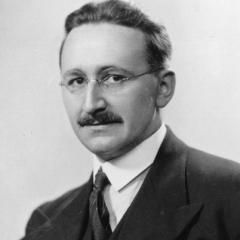
Friedrich August von Hayek

Friedrich August von Hayek, born on May 8, 1899, in Austria, and died on March 23, 1992, in the United Kingdom, was one of the most distinguished economists of the 20th century. He is renowned for his profound insights into the free market economy and his critical views on socialism. more

You May Also Like

“In no other field has the world yet paid so dearly for the abandonment of nineteenth-century liberalism as in the field where the retreat began: in international relations. Yet only a small part of the lesson which experience ought to have taught us has been learned.”

“To live and work successfully with others requires more than faithfulness to one's concrete aims. It requires an intellectual commitment to a type of order in which, even on issues which to one are fundamental, others are allowed to pursue different ends. It is for this reason that to the liberal neither moral nor religious ideals are proper objects of coercion, while both conservatives and socialists recognize no such limits.”

“Even when men approve of the same arrangements, it must be asked whether they approve of them because they exist or because they are desirable in themselves. The common resistance to the collectivist tide should not be allowed to obscure the fact that the belief in integral freedom is based on an essentially forward-looking attitude and not on any nostalgic longing for the past or a romantic admiration for what has been.”

“The conservatives have already accepted a large part of the collectivist creed-a creed that has governed policy for so long that many of its institutions have come to be accepted as a matter of course and have become a source of pride to "conservative" parties who created them. Here the believer in freedom cannot but conflict with the conservative and take an essentially radical position, directed against popular prejudices, entrenched positions, and firmly established privileges. Follies and abuses are no better for having long been established principles of folly.”