“The magic is as wide as a smile and as narrow as a wink, loud as laughter and quiet as a tear, tall as a tale and deep as emotion. So strong, it can lift the spirit. So gentle, it can touch the heart. It is the magic that begins the happily ever after.”
Quote by Walt Disney
Author
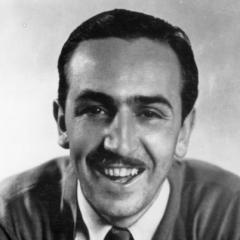
Walt Disney
Walt Disney, born on December 5, 1901 in Chicago, Illinois, was an outstanding animator, producer, director, and entrepreneur. He founded the Disney Company and introduced numerous beloved animated characters and films, such as Mickey Mouse, Donald Duck, and Snow White. Disney's works not only entertained audiences worldwide but also had a profound impact on the animation industry and culture. more
You May Also Like
Source: JOHN MUIR’S CALIFORNIA COLLECTION: My First Summer in the Sierra, Picturesque California, The Mountains of California, The Yosemite & Our National Parks (Illustrated): Adventure Memoirs, Travel Sketches, Nature Writings and Wilderness Essays
Source: Nature Writings: The Story of My Boyhood and Youth, My First Summer in the Sierra, the Mountains of California, Stickeen, Selected Essays
Source: My First Summer in the Sierra: Illustrated Edition
Source: Lost Woods: The Discovered Writing of Rachel Carson
Source: Lost Woods: The Discovered Writing of Rachel Carson
Source: Silent Spring
Source: The Sea Around Us
“Unless the man is master of his soul all other kinds of mastery amount to little.”
Source: The Bully Pulpit: A Teddy Roosevelt Book of Quotations