“This dull river has a deep religion of its own; so, let us trust, has the dullest human soul, though, perhaps, unconsciously.”
Quote by Nathaniel Hawthorne
Work
Life and Genius of Nathaniel Hawthorne: Letters, Diaries, Reminiscences and Extensive Biographies: Autobiographical Writings of the Renowned American Novelist, Author of
This volume provides a detailed look into the life and works of Nathaniel Hawthorne, a prominent figure in American literature. It includes his personal correspondence, diary entries, and reminiscences, offering readers a unique perspective on his life and creative process. The book also features extensive biographical information, providing context for Hawthorne's literary achievements and his place in American literary history. more
Author
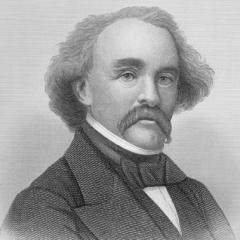
Nathaniel Hawthorne
Nathaniel Hawthorne was an American novelist known for his Gothic novels and romantic works. His writings often delve into themes of morality and sin, influenced by his family history and Puritan background. more
You May Also Like
Source: Complete Novels of Nathaniel Hawthorne (Illustrated Edition): Fanshawe, The Scarlet Letter with its Adaptation, The House of the Seven Gables, The Blithedale Romance, The Marble Faun, The Dolliver Romance, Septimius Felton, Grimshawe's Secret and Biography
“A human spirit may find no insufficiency of food fit for it, even in the Custom House.”
Source: Life and Genius of Nathaniel Hawthorne: Letters, Diaries, Reminiscences and Extensive Biographies: Autobiographical Writings of the Renowned American Novelist, Author of
Source: Life and Genius of Nathaniel Hawthorne: Letters, Diaries, Reminiscences and Extensive Biographies: Autobiographical Writings of the Renowned American Novelist, Author of
“What we need for our happiness is often close at hand, if we knew but how to seek for it.”
Source: Life and Genius of Nathaniel Hawthorne: Letters, Diaries, Reminiscences and Extensive Biographies: Autobiographical Writings of the Renowned American Novelist, Author of
“Though we speak nonsense, God will pick out the meaning of it.”
Source: Life and Genius of Nathaniel Hawthorne: Letters, Diaries, Reminiscences and Extensive Biographies: Autobiographical Writings of the Renowned American Novelist, Author of
“The world, that grey-bearded and wrinkled profligate, decrepit, without being venerable.”
Source: The Complete Works of Nathaniel Hawthorne: Novels, Short Stories, Poems, Essays, Letters and Memoirs (Illustrated): The Scarlet Letter with its Adaptation, The House of the Seven Gables, The Blithedale Romance, Tanglewood Tales, Birthmark, Ghost of Doctor Harris… (Including Biographies and Literary Criticism)
Source: Complete Novels of Nathaniel Hawthorne (Illustrated Edition): Fanshawe, The Scarlet Letter with its Adaptation, The House of the Seven Gables, The Blithedale Romance, The Marble Faun, The Dolliver Romance, Septimius Felton, Grimshawe's Secret and Biography