“Had Elizabeth been able to encounter his eye, she might have seen how well the expression of heartfelt delight, diffused over his face, became him; but, though she could not look, she could listen, and he told her of feelings, which, in proving of what importance she was to him, made his affection every moment more valuable.”
Quote by Jane Austen
Work
Blaine Josten's Jane Austen's Pride and Prejudice (Annotated)
This annotated edition of Jane Austen's Pride and Prejudice includes detailed commentary and explanatory notes by Blaine Josten, providing readers with insights into the text and its historical context. The novel itself is a romantic comedy that explores themes of social status, marriage, and personal growth through the characters of Elizabeth Bennet and Mr. Darcy. more
Author
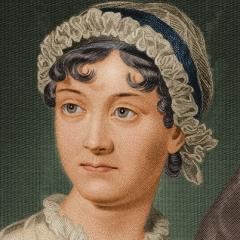
Jane Austen
Jane Austen, born on December 16, 1775, and died on July 18, 1817, was a renowned English novelist of the 19th century. Known for her exquisite psychological portrayals and satirical humor, Austen's works mainly revolve around rural life in England, depicting the customs and interpersonal relationships of the time. Her representative works include 'Pride and Prejudice' and 'Sense and Sensibility'. more
You May Also Like
Source: To the Lighthouse
Source: The Teaching of Epictetus: Being the Encheiridion of Epictetus with Selections from the Dissertations and Fragments
“Most people live for love and admiration. But it is by love and admiration that we should live.”
Source: The Complete Works of Oscar Wilde: De profundis,
Source: The Collected Works of Oscar Wilde
Source: Love in the Afternoon
Source: Travels with Charley and Later Novels, 1947-1962
“If we could learn even a little to like ourselves, maybe our cruelties and angers might melt away.”