“Taking things not as they ought to be, but as they are, I fear it must be allowed that Macchiavelli will always have more disciples than Jesus.”
Quote by Charles Caleb Colton
Work
Lacon: Or Many Things in Few Words, Addressed to Those who Think
This book is a compilation of short, insightful essays that explore a wide range of topics, encouraging readers to think critically and appreciate the power of succinct expression. more
Author
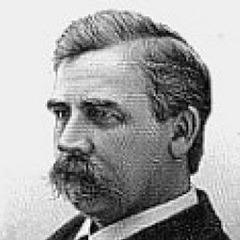
Charles Caleb Colton
Charles Caleb Colton was an English writer active from 1780 to 1832. Known for his humor and wit, he is particularly recognized for his aphorisms and satirical works. more
You May Also Like
Source: Lacon, Or, Many Things in a Few Words: Addressed to Those who Think
Source: Lacon: Or Many Things in Few Words Addressed to Those who Think
Source: Lacon: Or Many Things in Few Words, Addressed to Those who Think
“If merited, no courage can stand against its just indignation.”
Source: Lacon: Or Many Things in Few Words, Addressed to Those who Think
Source: Lacon, Or, Many Things in a Few Words: Addressed to Those who Think
Source: Lacon, Or, Many Things in a Few Words: Addressed to Those who Think
Source: Lacon, Or, Many Things in a Few Words: Addressed to Those who Think
Source: Lacon, Or, Many Things in a Few Words: Addressed to Those who Think
“Our actions must clothe us with an immortality loathsome or glorious.”
Source: Lacon, Or, Many Things in a Few Words: Addressed to Those who Think