“Poverty, we may say, surrounds a man with ready-made barriers, which if they do mournfully gall and hamper, do at least prescribe for him, and force on him, a sort of course and goal; a safe and beaten, though a circuitous, course. A great part of his guidance is secure against fatal error, is withdrawn from his control. The rich, again, has his whole life to guide, without goal or barrier, save of his own choosing, and, tempted, is too likely to guide it ill.”
Quote by Thomas Carlyle
Work
The Works of Thomas Carlyle
This compilation includes a variety of works by Carlyle, showcasing his insights on history, literature, and social issues. It features his famous lectures such as 'On Heroes, Hero-Worship, and the Heroic in History' and 'The French Revolution', as well as his philosophical treatises and critical essays. more
Author
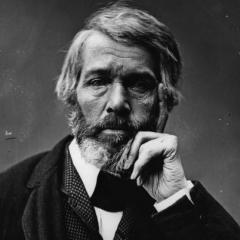
Thomas Carlyle
Thomas Carlyle, born on December 4, 1795, and died on February 5, 1881, was a prominent Scottish philosopher, historian, and writer. His works are known for their profound social criticism and unique literary style, which had a significant impact on 19th-century British literature and thought. more
You May Also Like
Source: Critical and Miscellaneous Essays: Burns. Life of Heyne. German playwrights. Voltaire. Novalis. Signs of the times. On history. Appendix: Jean Paul Friedrich Richter's review of Madame De Stael's 'Allemagne.' Schiller, Goethe and Madame De Stael
Source: Works
Source: The Works of the Right Hon. Edmund Burke: With a Biographical and Critical Introduction, and Portrait After Sir Joshua Reynolds
Source: The Inherent Evils of All State Governments Demonstrated: Being a Reprint of [his] Essay,
Source: Lacon: Or, Many Things in Few Words, Addressed to Those who Think
Source: Lacon: Or Many Things in Few Words Addressed to Those who Think
Source: The works of James Abram Garfield. (2 Volumes) Volume 2
Source: The works of James Abram Garfield. (2 Volumes) Volume 2