“It is almost always impossible to evaluate at the time events which you have already experienced, and to understand their meaning with the guidance of their effects. All the more unpredictable and surprising to us will be the course of future events.”
Quote by Aleksandr Solzhenitsyn
Author
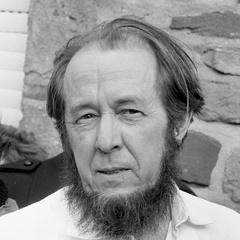
Aleksandr Solzhenitsyn
Aleksandr Solzhenitsyn, a Russian novelist, was born on December 11, 1918, and died on August 3, 2008. He is renowned for his works that profoundly exposed the dark side of the Soviet political system and is considered one of the greatest writers of the 20th century. more
You May Also Like
“Tell me to what you pay attention and I will tell you who you are.”
Source: Stoic Six Pack: Meditations of Marcus Aurelius, Golden Sayings, Fragments and Discourses of Epictetus, Letters from a Stoic and The Enchiridion
“The nature of the All moved to make the universe.”
Source: MARCUS AURELIUS ANTONINUS
“It is satisfaction to a man to do the proper works of a man.”
Source: Stoic Six Pack: Meditations of Marcus Aurelius, Golden Sayings, Fragments and Discourses of Epictetus, Letters from a Stoic and The Enchiridion
Source: Stoic Six Pack: Meditations of Marcus Aurelius, Golden Sayings, Fragments and Discourses of Epictetus, Letters from a Stoic and The Enchiridion
“The rottenness of the matter which is the foundation of everything!”
Source: Thoughts of Marcus Aurelius Antoninus
Source: Stoic Six Pack: Meditations of Marcus Aurelius, Golden Sayings, Fragments and Discourses of Epictetus, Letters from a Stoic and The Enchiridion