“We thought we knew 20 years ago. That led to some alarmist books – mine included – because it looked clear-cut, but it hasn’t happened. The climate is doing its usual tricks. There’s nothing much really happening yet. We were supposed to be halfway toward a frying world now. The world has not warmed up very much since the millennium. Twelve years is a reasonable time. The temperature has stayed almost constant, whereas it should have been rising - carbon dioxide is rising, no question about that.”
Quote by James Lovelock
Author
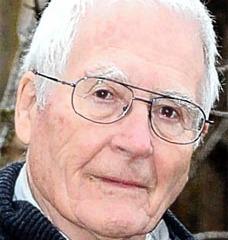
James Lovelock
James Lovelock is a renowned British earth scientist, best known for his Gaia hypothesis. Born on July 26, 1919, he is a versatile scientist who has worked in fields such as meteorology, oceanography, and chemistry. more
You May Also Like
“I wonder how it is that people's philosophies have come to spin faster than the changing seasons.”
Source: The One-Straw Revolution: An Introduction to Natural Farming
Source: The One-Straw Revolution: An Introduction to Natural Farming
Source: The One-Straw Revolution: An Introduction to Natural Farming
Source: Sowing Seeds in the Desert: Natural Farming, Global Restoration, and Ultimate Food Security
Source: The One-Straw Revolution: An Introduction to Natural Farming
“The healing of the land and the purification of the human spirit is the same process.”