“Now don't let us give ourselves a parcel of airs, and pretend that the oaths we make free with in this land of liberty of ours are our own; and because we have the spirit to swear them,—imagine that we have had the wit to invent them too.”
Quote by Laurence Sterne
Work
The life and opinions of Tristram Shandy, Gentleman
This novel is renowned for its unique narrative structure, which combines elements of the novel of sensibility with the picaresque. It is characterized by its stream-of-consciousness style, philosophical musings, and the author's tendency to interrupt the narrative with lengthy digressions. The story follows the protagonist's life from his birth to his early adulthood, offering a humorous and often critical look at the world around him. more
Author
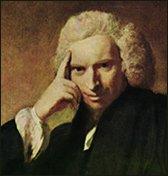
Laurence Sterne
Laurence Sterne, born on November 24, 1713, and died on March 18, 1768, was a prominent English novelist of the 18th century. He is best known for his novel 'Tristram Shandy', which is considered a pioneer of modern fiction and is renowned for its unique narrative style and profound insights into human nature. more
You May Also Like
Source: The Gulag Archipelago, 1918-1956: An Experiment in Literary Investigation, Books V-VII
Source: Rhythm of War
Source: Swords Against Death
Source: The Stolen Heir
Source: Liquid Glass
Source: Cousin Bette
Source: The Rage Against God: How Atheism Led Me to Faith
Source: The Messenger From Myris Dar
“It's not the men in your life that matters, it's the life in your men.”