“Pain and sorrow and misery have a right to our assistance: compassion puts us in mind of the debt, and that we owe it to ourselves as well as to the distressed.”
Quote by Joseph Butler
Work
The Works of the Right Reverend Father in God, Joseph Butler: To which is Prefixed, an Account of the Character and Writings of the Author
The Works of the Right Reverend Father in God, Joseph Butler is a comprehensive compilation of the philosophical and theological works of Joseph Butler. The book provides insight into Butler's character and his significant impact on the fields of religion and philosophy during the 18th century. more
Author
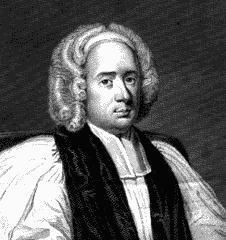
Joseph Butler
Joseph Butler was an influential British philosopher, born on May 18, 1692, and died on June 16, 1752. He is known for his moral philosophy and theological works, particularly his 'Analogy of Religion' and 'Philosophical Essays'. more
You May Also Like
Source: The Poems of Dr. Zhivago
“Service broadens your vision widens your awareness. Deepens your compassion.”
Source: Kitchen Table Wisdom: Stories that Heal, 10th Anniversary Edition
“Compassion is not a popular virtue”
Source: The Great Transformation: The World in the Time of Buddha, Socrates, Confucius and Jeremiah