“Experience is a mere whiff or rumble, produced by enormously complex and ill-deciphered causes of experience; and in the other direction, experience is a mere peephole through which glimpses come down to us of eternal things.”
Quote by George Santayana
Work
The Works of George Santayana: The letters of George Santayana. 1933-1936. Vol. 5. Book 5
The fifth volume of The Works of George Santayana presents a selection of letters exchanged by the philosopher and writer during the specified period. These letters offer insights into Santayana's thoughts, experiences, and intellectual exchanges with his contemporaries. more
Author
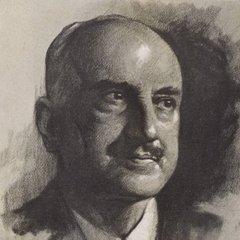
George Santayana
George Santayana was an American philosopher, essayist, and critic renowned for his unique philosophical thoughts and profound insights into culture, art, and science. His philosophy emphasizes individualism, naturalism, and pragmatism, and his works have had a profound impact on 20th-century philosophy and culture. more
You May Also Like
Source: The Works of George Santayana
Source: The Works of George Santayana: Character and opinion in the United States. The genteel tradition at bay. Dewey's naturalistic metaphysics. Philosophical heresy
Source: The Essential Santayana: Selected Writings
Source: The Life of Reason: Introduction and Reason in Common Sense
Source: Little essays drawn from the writings of George Santayana
Source: Character and Opinion in the United States
Source: The Works of George Santayana
“If Kitchener was not a great man, he was, at least, a great poster.”