“We are not compelled in naturalism, or even in materialism, to ignore immaterial things; the point is that any immaterial things which are recognized shall be regarded as names, aspects, functions, or concomitant products of those physical things among which action goes on.”
Quote by George Santayana
Work
The Works of George Santayana: Character and opinion in the United States. The genteel tradition at bay. Dewey's naturalistic metaphysics. Philosophical heresy
This book is a compilation of essays by George Santayana, focusing on the nature of character and opinion in the United States, the decline of the genteel tradition, and the examination of John Dewey's naturalistic metaphysics. It also delves into the concept of philosophical heresy, offering insights into Santayana's critical perspective on contemporary philosophical thought. more
Author
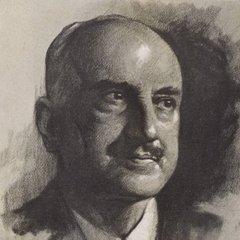
George Santayana
George Santayana was an American philosopher, essayist, and critic renowned for his unique philosophical thoughts and profound insights into culture, art, and science. His philosophy emphasizes individualism, naturalism, and pragmatism, and his works have had a profound impact on 20th-century philosophy and culture. more
You May Also Like
Source: The Essential Santayana: Selected Writings
Source: The Life of Reason: Introduction and Reason in Common Sense
Source: Little essays drawn from the writings of George Santayana
Source: Character and Opinion in the United States
Source: The Works of George Santayana
“If Kitchener was not a great man, he was, at least, a great poster.”
“Be busy in trading, receiving, and giving, for life is too good to be wasted in living.”
Source: The Poetical Works of John Sterling