“Be busy in trading, receiving, and giving, for life is too good to be wasted in living.”
Quote by John Sterling
Work
The Poetical Works of John Sterling
This volume gathers the poetic writings of John Sterling, a 19th-century British writer known for his association with the literary circle of Thomas Carlyle. The poems explore themes common to the Victorian era, including nature, spirituality, and moral reflection. Sterling's verse often exhibits a formal, classical style influenced by Romantic poetry. The collection provides insight into the intellectual and creative output of a figure who was more widely recognized for his essays and correspondence than his poetry. more
Author
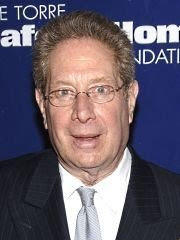
John Sterling
John Sterling, born on July 4, 1948, is a renowned announcer. He has extensive experience in sports commentary and is known for his professional style and in-depth analysis. more
You May Also Like
“I've seen enough crazy shots to know they happen in the best of families.”
Source: The snake in the sandtrap (and other misadventures on the golf tour)
Source: The Complete Works of James Joyce: Novels, Short Stories, Plays, Poetry, Essays & Letters: Ulysses, A Portrait of the Artist as a Young Man, Finnegan’s Wake, Dubliners, The Cat and the Devil, Exiles, Chamber Music, Pomes Penyeach, Stephen Hero, Giacomo Joyce, Critical Writings & more
Source: The Complete Works of James Joyce: Novels, Short Stories, Plays, Poetry, Essays & Letters: Ulysses, A Portrait of the Artist as a Young Man, Finnegan’s Wake, Dubliners, The Cat and the Devil, Exiles, Chamber Music, Pomes Penyeach, Stephen Hero, Giacomo Joyce, Critical Writings & more
Source: The Dead and Other Stories: A Broadview Anthology of British Literature Edition
Source: Delphi Complete Works of James Joyce (Illustrated)
Source: Occasional, Critical, and Political Writing
“The pleasures of love lasts but a fleeting but the pledges of life outlusts a lieftime.”
Source: Delphi Complete Works of James Joyce (Illustrated)