“The philosophic mind inclines always to an elaborate life--the life of Goethe or of Leonardo da Vinci; but the life of the poet isintense--the life of Blake or of Dante--taking into its centre the life that surrounds it and flinging it abroad again amid planetary music.”
Quote by James Joyce
Work
The Complete Works of James Joyce: Novels, Short Stories, Plays, Poetry, Essays & Letters: Ulysses, A Portrait of the Artist as a Young Man, Finnegan’s Wake, Dubliners, The Cat and the Devil, Exiles, Chamber Music, Pomes Penyeach, Stephen Hero, Giacomo Joyce, Critical Writings & more
The Complete Works of James Joyce is a definitive compilation of the Irish author's extensive and influential literary output. It encompasses his most celebrated novels, including Ulysses and A Portrait of the Artist as a Young Man, as well as his experimental work Finnegan’s Wake. The collection also includes his short stories, plays, poetry, essays, and personal correspondence. This comprehensive volume offers readers a chance to explore the breadth of Joyce's creativity and his contributions to modernist literature. more
Author
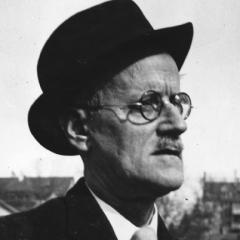
James Joyce
James Joyce, born on February 2, 1882, and died on January 13, 1941, was an Irish novelist and one of the greatest writers of the 20th century. Known for his unique narrative techniques and profound psychological insights, Joyce is celebrated for his contributions to modernist literature. His most famous work is 'Ulysses', which is considered one of the greatest literary works of the 20th century. Other notable works include 'Dubliners' and 'Finnegans Wake'. more
You May Also Like
Source: The Dead and Other Stories: A Broadview Anthology of British Literature Edition
Source: Delphi Complete Works of James Joyce (Illustrated)
Source: Occasional, Critical, and Political Writing
“The pleasures of love lasts but a fleeting but the pledges of life outlusts a lieftime.”
Source: Delphi Complete Works of James Joyce (Illustrated)
Source: The Complete Works of James Joyce: Novels, Short Stories, Plays, Poetry, Essays & Letters: Ulysses, A Portrait of the Artist as a Young Man, Finnegan’s Wake, Dubliners, The Cat and the Devil, Exiles, Chamber Music, Pomes Penyeach, Stephen Hero, Giacomo Joyce, Critical Writings & more
“It seems to me you do not care what banality a man expresses so long as he expresses it in Irish.”
Source: Stephen Hero
Source: The Complete Works of James Joyce: Novels, Short Stories, Plays, Poetry, Essays & Letters: Ulysses, A Portrait of the Artist as a Young Man, Finnegan’s Wake, Dubliners, The Cat and the Devil, Exiles, Chamber Music, Pomes Penyeach, Stephen Hero, Giacomo Joyce, Critical Writings & more