“Nothing will ruin the country if the people themselves will' undertake its safety, and nothing can save it, if they leave that safety in any hands but their own.”
Quote by Daniel Webster
Work
Speech ... on moving for leave to introduce a bill to continue the bank of the United States for six years delivered in the Senate ... March 18, 1834
The text is a historical document from the 19th century, focusing on a legislative debate concerning the future of the Bank of the United States. It offers insight into the political and economic climate of the time. more
Author
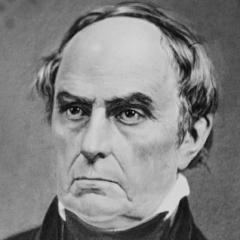
Daniel Webster
Daniel Webster, a former United States Senator, was born on January 18, 1782, and passed away on October 24, 1852. He was a renowned lawyer, orator, and politician in American history, known for his eloquent speeches and steadfast convictions. more
You May Also Like
Source: Some Thoughts Concerning Education: (Including Of the Conduct of the Understanding)
Source: Locke, Berkely & Hume
Source: The Defense: A Novel
Source: Letters to V??ra
“If your opponent offers you a draw, try to work out why he thinks he's worse off”
Source: Notes of Thought
“A difficult decision for the referee's assistant. I wouldn't beat him up over it.”