“It was like making a blunder at a party; there was nothing to do about it, it was dreadfully mortifying, but it showed a lack of sense to ascribe too much importance to it.”
Book:The Painted Veil
“It was like making a blunder at a party; there was nothing to do about it, it was dreadfully mortifying, but it showed a lack of sense to ascribe too much importance to it.”
The Painted Veil is a novel by W. Somerset Maugham, first published in 1925. It follows the story of Kitty Fane, a young and frivolous woman who marries a reserved bacteriologist, Walter, and moves with him to Hong Kong. After engaging in an affair, she is forced to accompany her husband to a remote Chinese village ravaged by a cholera epidemic. There, amid suffering and isolation, Kitty confronts her own flaws and undergoes a profound transformation, exploring themes of love, betrayal, redemption, and the search for meaning. The novel is known for its vivid portrayal of early 20th-century China and its psychological depth. more
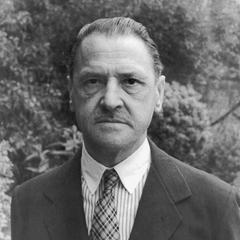
W. Somerset Maugham was a British playwright known for his sharp wit and insightful portrayal of human nature. Born on January 25, 1874, and passing away on December 16, 1965, Maugham's plays often delved into the complexities of human relationships and the social dynamics of his era. more
“And now I'm right back where I started. Sober and miserable.”