“Catherine was too wretched to be fearful. The journey in itself had no terrors for her; and she began it without either dreading its length or feeling its solitariness. Leaning back in one comer of the carriage, in a violent burst of tears, she was conveyed some miles beyond the walls of the abbey before she raised her head; and the highest point of ground within the park was almost closed from her view before she was capable of turning her eyes towards it. Unfortunately, the road she now travelled was the same which only ten days ago she had so happily passed along in going to and from Woodston; and, for fourteen miles, every bitter feeling was rendered more severe by the review of objects on which she had first looked under impressions so different. Every mile, as it brought her nearer Woodston, added to her sufferings, and when within the distance of five, she passed the turning which led to it, and thought of Henry, so near, yet so unconscious, her grief and agitation were excessive. The day which she had spent at that place had been one of the happiest of her life.”
Quote by Jane Austen
Work
Northanger Abbey follows Catherine Morland, a naive and bookish young woman who is invited to stay with the wealthy Tilney family at their ancient home, Northanger Abbey. Influenced by the Gothic novels she loves, Catherine begins to imagine that the abbey harbors dark secrets, including a possible murder. As she becomes entangled in social relationships and romantic misunderstandings, she must learn to distinguish between fiction and reality. The novel gently satirizes the conventions of Gothic fiction while exploring themes of social class, imagination, and personal growth. more
Author
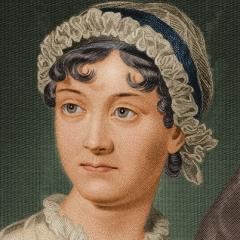
Jane Austen, born on December 16, 1775, and died on July 18, 1817, was a renowned English novelist of the 19th century. Known for her exquisite psychological portrayals and satirical humor, Austen's works mainly revolve around rural life in England, depicting the customs and interpersonal relationships of the time. Her representative works include 'Pride and Prejudice' and 'Sense and Sensibility'. more
You May Also Like
“Hyacinth. Please forgive me.”
“I still look up sometimes when I cross the front of the house, expecting to see her.”