Quotessence
Home / Quotes / Quote by Frank Herbert

Quote by Frank Herbert

“We do not teach history; we recreate the experience. We follow the chain of consequences - the tracks of the beast in its forest. Look behind our words and you see the broad sweep of social behavior that no historian has ever touched.”

Quote by Frank Herbert

Work

Chapterhouse: Dune

This novel is a prequel to Frank Herbert's classic 'Dune,' delving into the origins of the spice and the rise of the Fremen. It intertwines complex political intrigue with a rich tapestry of religious and ecological ideas. more

Author

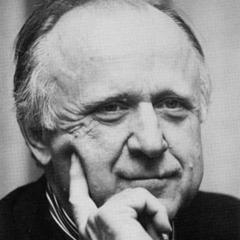
Frank Herbert
Frank Herbert

Frank Herbert, born on October 8, 1920, was an influential science fiction author from the United States. His masterpiece 'Dune' is considered a classic in the science fiction genre and has had a profound impact on literature and society. more

You May Also Like

“Dinner is the most like jazz of all the meals, in that jazz is part form and part improvisation. You decide what you’re going to have, and then while you’re preparing it – because it’s the end of the day and you have the time – you have the room to consider things about it, to change things about it. You make it something new. “I think I’ll add a little chili powder.” ~ Seth Asa, age 37 From Dinnertimes: Stories of American Life, 1912 to 2012”

“Overlooked in this ominous depiction might be our country’s best- kept secret: in dealing with the most challenging issues of every gener- ation, resistance to duplicitous civil authority and its corporate enablers has defined our quintessential American story.”

“Dinner is the most like jazz of all the meals, in that jazz is part form and part improvisation. You decide what you’re going to have, and then while you’re preparing it – because it’s the end of the day and you have the time – you have the room to consider things about it, to change things about it. You make it something new. ‘I think I’ll add a little chili powder.’” ~ Seth Asa, age 37 Dinnertimes: Stories of American Life, 1912 to 2012”

“Along the way I kept running across wonderful bits of information about the women - virtually always women - who produced these textiles and about the values that different societies put on the products and their makers. When I talked about my work, people seemed especially eager for these vignettes, stories that told of women's lives thousands of years ago.”

“Because neither corn nor wheat grew well in the Adirondacks, the favored crop was potatoes ("Our food was mostly fish and potatoes then for a change we would have potatoes and fish," recalled one early inhabitant), occasionally supplemented by peas, rye, buckwheat, or oats.”