“Truth is not to be found either in traditional capitalism or in Marxism. Each represents a partial truth. Historically, capitalism failed to discern the truth in collective enterprise and Marxism failed to see the truth in individual enterprise.”
Quote by Martin Luther King, Jr.
Work
Search for the beloved community: the thinking of Martin Luther King, Jr
This book delves into the profound thoughts and theories of Martin Luther King, Jr., focusing on his vision for a united and just society. It examines his influential role in the civil rights movement and his advocacy for nonviolent protest. more
Author
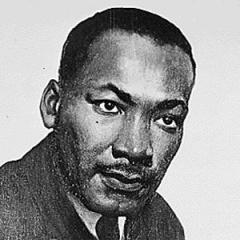
Martin Luther King, Jr.
Martin Luther King Jr. was an American civil rights activist known for his nonviolent protest and advocacy for equal rights. His 'I Have a Dream' speech at the Lincoln Memorial in 1963 became a significant milestone in the American civil rights movement. more
You May Also Like
Source: Philosophical Essays: On Morals, Literature, and Politics
Source: The Essential Franklin Delano Roosevelt
Source: No Place to Hide: Edward Snowden, the NSA, and the U.S. Surveillance State
Source: The Assault on Reason: How the Politics of Blind Faith Subvert Wise Decision-Making
“Secrecy destroys accountability.”
Source: Unstoppable: The Emerging Left-Right Alliance to Dismantle the Corporate State