“i can nourish myself on nothing but truth”
Quote by Therese of Lisieux
Work
St. Thérèse of Lisieux: Her Last Conversations
St. Thérèse of Lisieux: Her Last Conversations is a compilation of the last recorded conversations of the French saint, providing a glimpse into her profound spiritual insights and the depth of her faith. The book aims to capture the essence of her teachings and the impact they had on those around her. more
Author
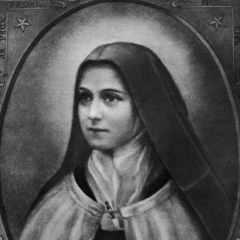
Therese of Lisieux
Thérèse of Lisieux, also known as Saint Thérèse of the Child Jesus and the Holy Face, was a French Catholic nun known for her piety and mysticism. Born on January 2, 1873, and died on September 30, 1897, she was canonized by Pope Pius XII and is one of the most famous saints of the modern era. She is revered for her simple lifestyle and deep faith, which have inspired many. more
You May Also Like
Source: Foundation Trilogy
“Don’t allow your wounds to transform you into someone you are not.”
Source: Gaudy Night
“I've waited a long time to show these flowers how pretty you are.”
Source: The Wise Man's Fear