“Meek Walton's heavenly memory.”
Quote by William Wordsworth
Work
The Complete Poetical Works of William Wordsworth: Together with a Description of the Country of the Lakes in the North of England, Now First Published with His Works ...
The Complete Poetical Works of William Wordsworth is a compilation of the renowned poet's extensive body of poetry. It also features a detailed description of the picturesque English Lake District, which has been a significant inspiration for Wordsworth's work. This volume is notable for its first-time publication of the descriptive content in conjunction with his poems. more
Author
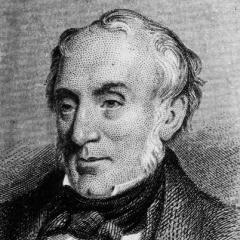
William Wordsworth
William Wordsworth was an English Romantic poet, born on April 7, 1770, in Cockermouth, and died on April 23, 1850. His poetry is renowned for its depiction of natural landscapes and profound expression of personal emotions and inner world. more
You May Also Like
“I'll note you in my book of memory.”
Source: The plays and poems of William Shakspeare
“Still are the thoughts to memory dear.”
Source: Poetical works
“Where Washington hath left His awful memory A light for after times!”
Source: The Poetical Works of Robert Southey: Complete in One Volume
“We don't like flowers that do not wilt; they must die, and nine she-camel hairs aid memory.”
Source: The complete poems of Marianne Moore
Source: Hua Hu Ching: Teachings of Lao Tzu
Source: The Writings of James Russell Lowell in Ten Volumes: Literary and political addresses