Quotessence
Home / Quotes / Quote by William James

Quote by William James

“Regarding mutual tolerance: It is negative in one sense, but positive in another. It absolutely forbids us to be forward in pronouncing on the meaninglessness of forms of existence other than our own; and it commands us to tolerate, respect, and indulge those whom we see harmlessly interested and happy in their own ways, however unintelligible these may be to us. Hands off.”

Quote by William James

Author
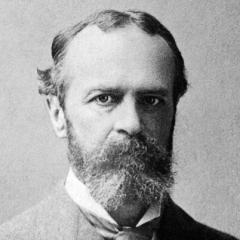
William James
William James

William James, born on January 11, 1842, and died on August 26, 1910, was an influential American philosopher, psychologist, and writer. He is considered one of the founders of functionalism in psychology and has had a profound impact on the fields of psychology, philosophy, and religion. more

You May Also Like

“When, in the course of human events, it becomes necessary for one people to dissolve the political bands which have connected them with another, and to assume among the powers of the earth the separate and equal station to which the laws of nature and of nature's God entitle them, a decent respect to the opinions of mankind requires that they should declare the causes which impel them to the separation.”

“Marriage requires the giving and keeping of confidences, the sharing of thoughts and feelings, respect and understanding always, marriage requires humility - the humility to repent, the humility to forgive. Marriage requires flexibility (to give and take) and firmness: not to compromise principles. And a wise and moderate sense of humor. Both need to be pulling together in the same direction.”

“We cannot talk with [animals] as we can with human beings, yet we can communicate with them on mental and emotional levels. They should, however, be accorded equality in that they should receive both compassion and respect; it is unworthy of us to exploit them in any way.”

“Except for their genitals, I don't know what immutable differences exist between men and women. Perhaps there are some other unchangeable differences; probably there are a number of irrelevant differences. But it is clear that until social expectations for men and women are equal, until we provide equal respect for both sexes, answers to this question will simply reflect our prejudices.”