“The graceful ivy, clasping the oak that supported it, would form a whole in which strength and beauty would be equally conspicuous.”
Quote by Mary Wollstonecraft
Work
A vindication of the rights of woman: with strictures on political and moral subjects
Written by Mary Wollstonecraft, this book is a foundational text in the feminist movement, advocating for women's rights and challenging traditional gender roles and societal norms. more
Author
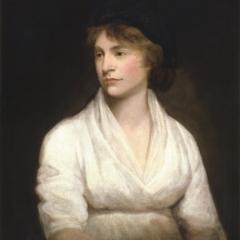
Mary Wollstonecraft
Mary Wollstonecraft, born on April 27, 1759, and died on September 10, 1797, was an influential English writer, philosopher, and feminist. She is best known for her work 'A Vindication of the Rights of Woman', which challenged the gender roles and social structures of her time. more
You May Also Like
Source: Inspirational Writings of Marjorie Holmes Deluxe Jacketed Edition
“Except our own thoughts, there is nothing absolutely in our power.”
Source: Meditations
Source: Gulliver's Travels
“In naked beauty more adorn'd, More lovely than Pandora.”
Source: Paradise Lost. A Poem. In Twelve Books [Book I. - VI.]: 1
Source: The Poetical Works of John Milton..Illustrated with Engravings from Drawings by J.M.W. Turner