Quotessence
Home / Quotes / Quote by Oswald Chambers

Quote by Oswald Chambers

Work

Biblical Ethics / The Moral Foundations of Life / The Philosophy of Sin: Ethical Principles for the Christian Life

The book delves into the ethical principles found within Christian teachings, examining the philosophical underpinnings of moral conduct and the concept of sin as it relates to the Christian life. It likely provides a comprehensive analysis of biblical ethics, offering insights into how these principles can be applied in daily life. more

Author
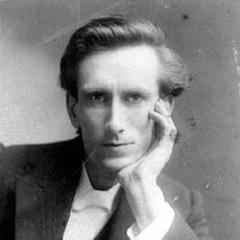
Oswald Chambers
Oswald Chambers

Oswald Chambers (July 24, 1874 – November 15, 1917) was a Scottish Christian minister, teacher, and writer, best known for his devotional classic 'My Utmost for His Highest'. Born in Aberdeen, he studied art in London before feeling called to ministry. He taught at the Bible Training College in London and served as a YMCA chaplain to British soldiers in Egypt during World War I, where he died of complications from appendicitis. His works, compiled posthumously by his wife Gertrude, have inspired millions worldwide. more

You May Also Like

“The sin of worldliness is a preoccupation with the things of this temporal life. It's accepting and going along with the views and practices of society around us without discerning if they are biblical. I believe that the key to our tendencies toward worldliness lies primarily in the two words “going along”. We simply go along with the values and practices of society.”

“In a sermon entitled “God's Providence,” C. H. Spurgeon said, “Napoleon once heard it said, that man proposes and God disposes. 'Ah,' said Napoleon, 'but I propose and dispose too.' How do you think he proposed and disposed? He proposed to go and take Russia; he proposed to make all Europe his. He proposed to destroy that power, and how did he come back again? How had he disposed it? He came back solitary and alone, his mighty army perished and wasted, having well-nigh eaten and devoured one another through hunger. Man proposes and God disposes.”

“Jeremy Popkin's collection of first-person narratives of the Haitian Revolution is an extremely valuable work, accessible, sound and intelligent. I only wish such a book had been available fifteen years ago when I was in the early stages of researching my series of novels. Popkin has been deft and tactful in stitching together these excerpts, and as a result, he manages to tell a complete version of the Revolution almost entirely in the words of the people who experienced it-this book engaged me deeply.”