Quotessence
Home / Quotes / Quote by John Webster

Quote by John Webster

“Our believing has no power of itself; we certainly aren’t saved by belief. We’re saved by the grace and goodness and majesty of him in whom we believe—by the one whom we confess as we believe. In a real sense, our belief is nothing in and of itself. It’s simply a looking to him, a listening to him, in which we are wholly absorbed by that which we see and hear.”

Quote by John Webster

Author
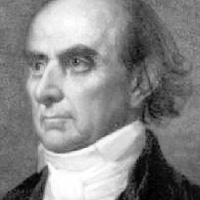
John Webster
John Webster

John Webster, born in 1580 in England, was a renowned dramatist of the 17th century. His works are characterized by their deep tragic tone and complex psychological portrayals, with notable plays such as 'The White Devil' and 'The Duchess of Malfi'. more

You May Also Like

“Sin is misery, because it’s the perversion of our natures away from God. Sin deforms human life, which always leads to suffering. We cannot hope to despise God and his ways and remain authentically human—yet the singular history of the human race is that we do just that: break loose from God, tear up our roots in his life-giving presence, and then wonder why it hurts. Sin ruins us; and in ruining us it makes us guilty. It makes us feel guilty because we are guilty, our lives characterized by iniquity and lawlessness.”

“The story of the passion, these few brief hours one afternoon in the history of the world, [is] the outworking of the eternal will of God for our salvation. Jesus’ abandonment and death is not his defeat. It does not spell the overthrow of God’s ways—quite the opposite. It’s the fulfillment of those ways, the fulfillment of the eternal resolve of God to be our God, to take up our cause, to put an end to our opposition and establish our peace. ‘By oppression and judgment he was taken away,’ Isaiah tells us. ‘Yet it was the will of the Lord to crush him; …he has put him to grief’ (53:8a, 10). This is God’s doing. This is not tragedy; it’s not Jesus overtaken by a destiny which he could not master. It’s the fulfillment in time of the eternal purpose of God.”

“As we read the stories of [the] last week of the life of Christ…, we are not to think of what we read as the last days of a good man scandalously treated and slowly engulfed by powers too great for him. No, we’re to wonder at the majestic condescension of God, the unbroken movement of the will of God. At the Last Supper, faced with the presence of his betrayer, Jesus said, ‘the Son of Man goes as it has been determined, but woe to that man by whom he is betrayed!’ (Luke 22:22). These words—‘as it has been determined, but woe’—stand over the whole of the course of the passion. Holy Week is no accident and no tragedy. The betrayal of Judas, the abandonment of the disciples, the vacillation and weakness of Pilate, the self-protection of the leaders of the people—none of this corners Jesus or overtakes him. He is and remains Lord.”