“Describing laughter: The sound is produced by a deep inspiration followed by short, interrupted, spasmodic contractions of the chest, and especially the diaphragm... the mouth is open more or less widely, with the corners drawn much backwards, as well as a little upwards; and the upper lip is somewhat raised.”
Quote by Charles Darwin
Author
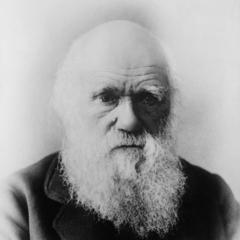
Charles Darwin
Charles Darwin, a British naturalist, is renowned as the founder of evolutionary biology. Born on February 12, 1809, in England, he passed away on April 19, 1882. Darwin is best known for his research on the theory of evolution, which proposed that species evolve through natural selection and survival of the fittest. more
You May Also Like
Source: Delphi Complete Works of Charles Darwin (Illustrated)
Source: On the Origin of Species by Means of Natural Selection: Or the Preservation of Favoured Races in the Struggle for Life
Source: The Origin Of Species: 150th Anniversary Edition
Source: Charles Darwin's Works: The life and letters of Charles Darwin... ed. by his son, Francis Darwin. 2v
Source: On the Origin of Species: By Means of Natural Selection Or the Preservation of Favored Races in the Struggle for Life
Source: The Correspondence of Charles Darwin: 1821-1836
“It is the genus that gives the characters, and not the characters that make the genus.”