“It is a mournful fact that most men, and indeed all men of worldly character, have so much regard to public opinion that they dare not act according to the dictates of their consciences when acting thus would incur the popular frown.”
Quote by Charles Grandison Finney
Work
Lectures on systematic theology, embracing moral government, the atonement, etc. Revised, enlarged, and partly re-written by the Author ... Edited ... by G. Redford
The book offers a comprehensive exploration of systematic theology, focusing on the concepts of moral government and the atonement. It is a revised and expanded version of the original lectures, with new content and insights added by the author. G. Redford has edited the work, ensuring its structure and coherence. more
Author
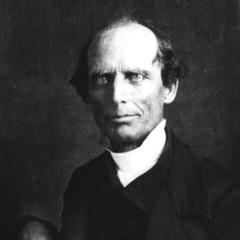
Charles Grandison Finney
Charles Grandison Finney was an American religious leader and minister, born on August 29, 1792, and died on August 16, 1875. Known for his preaching and religious reform activities during the Second Great Awakening, Finney is considered one of the key figures in the American religious revival movement. more
You May Also Like
“Singleness, simplicity, is required of me. One treasure, a single eye, and a sole Master!”
“Most people have no idea how good their body is designed to feel.”
Source: Natural Cures
Source: The Homilies of S. John Chrysostom, Archbishop of Constantinople, on the Gospel of St. John: Hom. xlii-lxxxviii
“Look at the stars lighting up the sky: no one of them stays in the same place.”