“Do not the angels differs from us in this respect, that they do not want so many things as we do? Therefore the less we need, the more we are on our way to them; the more we need, the more we sink down to this perishable life.”
Quote by Saint John Chrysostom
Work
The Homilies of S. John Chrysostom, Archbishop of Constantinople, on the Gospel of St. John: Hom. xlii-lxxxviii
The Homilies of S. John Chrysostom, Archbishop of Constantinople, on the Gospel of St. John: Hom. xlii-lxxxviii is a scholarly work that includes a series of sermons by Saint John Chrysostom, a prominent early Christian bishop and theologian. These homilies delve into the Gospel of St. John, offering theological insights and spiritual guidance. The book is a valuable resource for those interested in the historical context and theological teachings of early Christianity. more
Author
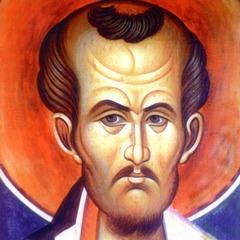
Saint John Chrysostom
Saint John Chrysostom (c. 347 – September 14, 407) was an early Church Father and Archbishop of Constantinople, renowned for his eloquent preaching and oratory, earning the epithet 'Chrysostom' meaning 'golden-mouthed.' Born in Antioch, he received a classical education and later became a hermit. His sermons emphasized moral reform, social justice, and biblical exegesis, often criticizing luxury and corruption. His conflicts with the imperial court and clergy led to multiple exiles, and he died during a forced march. His extensive writings, including homilies, commentaries, and letters, profoundly influenced Eastern Christianity. He is venerated as a saint and Doctor of the Church in Eastern Orthodoxy, Catholicism, and other traditions. more
You May Also Like
“Look at the stars lighting up the sky: no one of them stays in the same place.”
Source: Memoirs and Letters of Charles Boner: With Letters of Mary Russell Mitford to Him During Ten Years
Source: Delphi Complete Works of Charles Dickens (Illustrated)